
You walk into a grocery store for one or two items, and somehow leave with a cart full of things you never planned to buy. The budget slips, and the one item you needed sometimes gets forgotten. That experience is common. It often has less to do with self-control than with store design. Grocery stores use small, deliberate strategies that encourage shoppers to spend more. Researchers have studied these tactics for decades, and many operate so smoothly that shoppers barely notice them.
The Smell That Hits You at the Door
Credit: iStockphoto
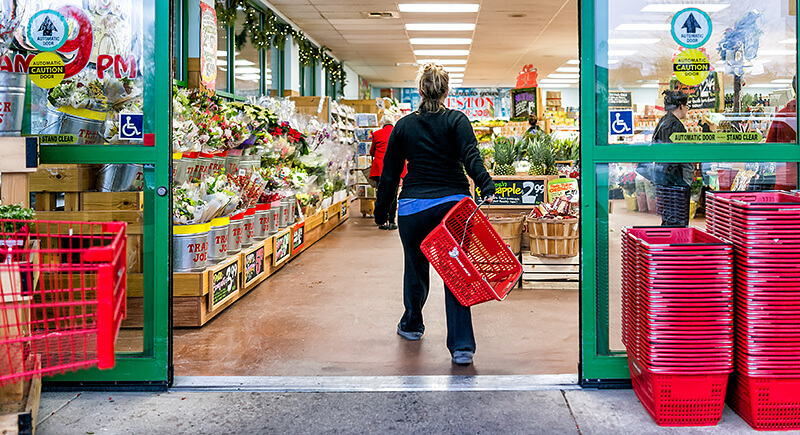
That fresh bread smell near the entrance is rarely a coincidence. Many grocery stores place their bakeries right by the front so the aroma reaches shoppers as soon as they walk in. Some chains even use scent systems to strengthen the effect. A 2015 study in the Journal of Marketing Research found that food aromas can increase purchases of high-calorie items, which explains why stores build this detail into their layout.
Milk Is in the Back for a Reason
Credit: Wikimedia Commons
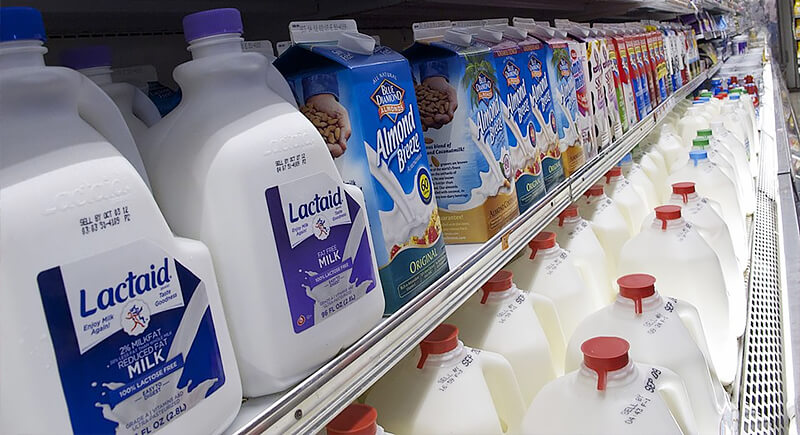
Milk and eggs rank among the most-purchased grocery items in America, and in many big supermarkets, they're positioned toward the back or in the far corners of the store. The idea is to pull shoppers through as many aisles as possible before they reach what they came for. Layouts vary by chain and region, but the strategy of placing high-demand staples away from the entrance is a widely used principle in retail store design.
The Cart That Grew Over Time
Credit: Canva
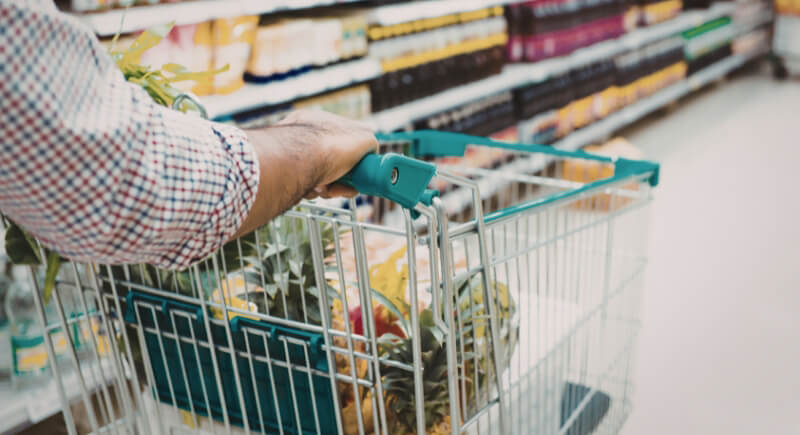
Shopping carts in many supermarkets are much larger today than they used to be, and the change serves a purpose. Supermarket consultant Martin Lindstrom reported that doubling the cart size led customers to buy nearly 40 percent more. Stores often replace smaller carts with larger ones because an empty cart creates subtle pressure to keep adding items. A half-empty cart can feel incomplete, and shoppers tend to respond to that feeling without realizing it.
The .99 Price Tag Trick
Credit: Reddit
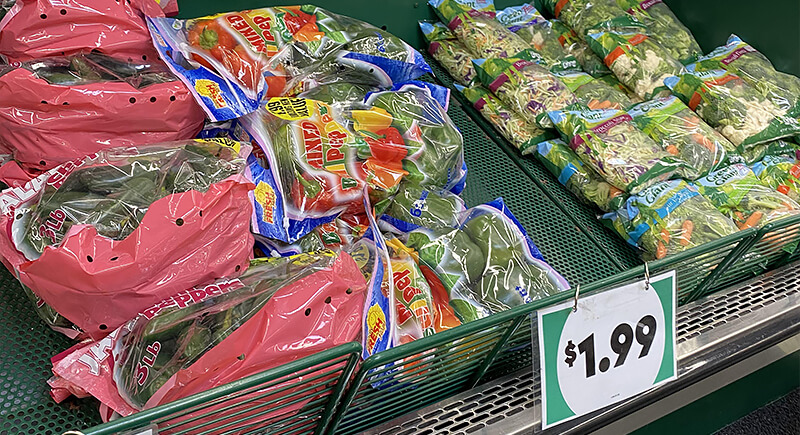
Prices that end in .99 tend to sell better than the same item priced at the next round number, even though the difference is only a cent. Researchers Eric Anderson and Duncan Simester documented this pattern, known as “charm pricing,” in a study published in the Quarterly Journal of Economics. Because people read numbers from left to right, the brain often interprets $3.99 as closer to $3 than to $4.
Color Psychology
Credit: Wikimedia Commons
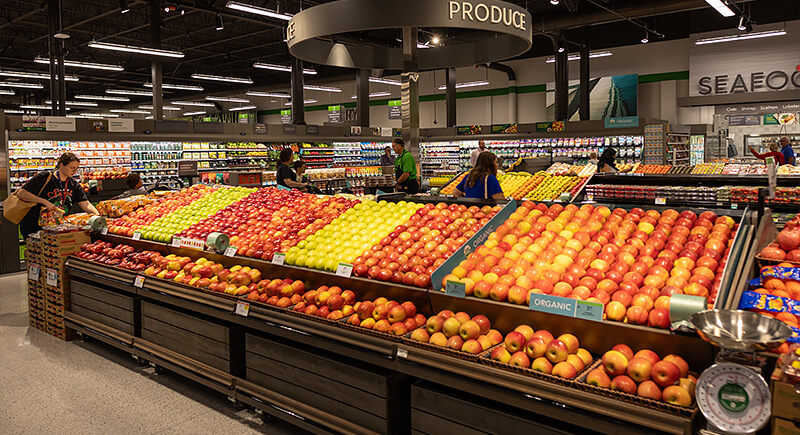
Many grocery stores place the produce section right at the entrance, and the reason goes beyond convenience. Retail researchers have found that seeing fresh, colorful fruits and vegetables at the start of a trip can create a “health halo.” When shoppers feel they have made a healthy choice early on, they become more likely to reward themselves with indulgent items later. Those displays of apples and citrus near the door are intentionally placed there.
The Checkout Candy Shelf
Credit: Wikimedia Commons
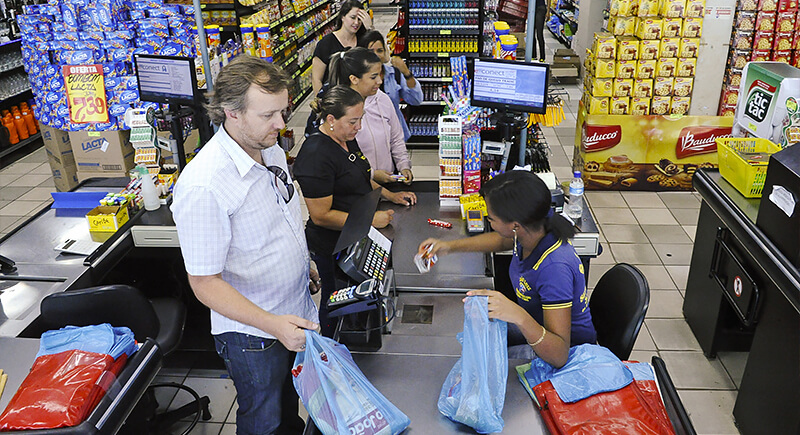
For many stores, candy and snacks in the checkout aisle are usually at eye level. Products in that height range sell significantly better than those placed at other positions. For children, that could mean a direct line of sight to chocolate bars and gummy packs while a parent is distracted at the register. Some studies have even identified checkout lanes as one of the most aggressive zones for child-targeted marketing.
Slow Music, Slower Shoppers
Credit: Canva
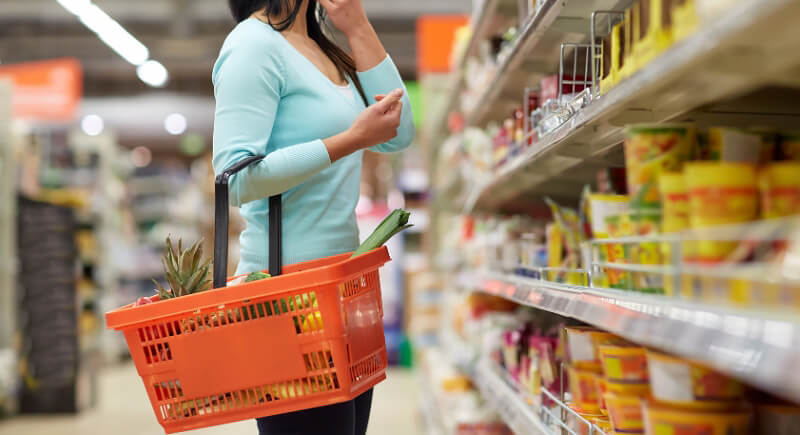
A well-known study by Ronald Milliman in the Journal of Marketing in 1982 found that slower background music makes shoppers move more slowly through a supermarket and spend more. Faster music tends to speed people up, so many stores lower the tempo during busy hours to keep customers browsing longer. The change is easy to miss, yet retailers have relied on this tactic for decades because it consistently increases sales.
Store Brands Live Next to Name Brands
Credit: Reddit
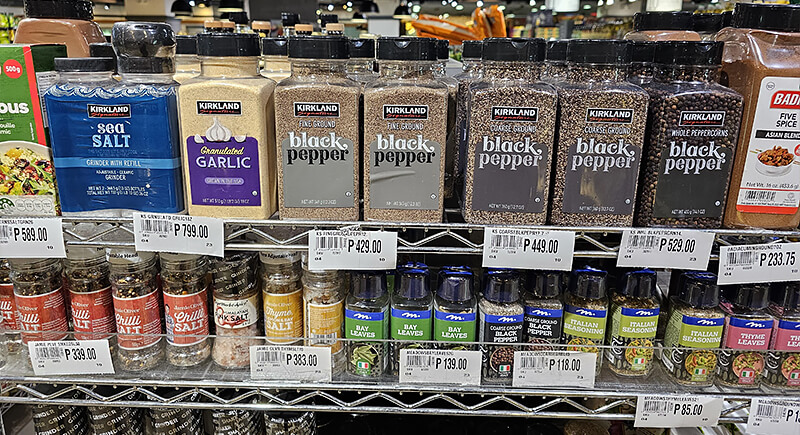
In 2023, private label sales in the U.S. reached $236 billion, according to the Private Label Manufacturers Association, and shelf placement contributes to that success. Store brand products are routinely positioned right beside the name brands they mirror at a considerably lower price. Retailers earn higher margins on their own-label products, so getting shoppers to make that sideways reach is worth any inconvenience.
Lighting Does More Work Than You'd Think
Credit: Canva
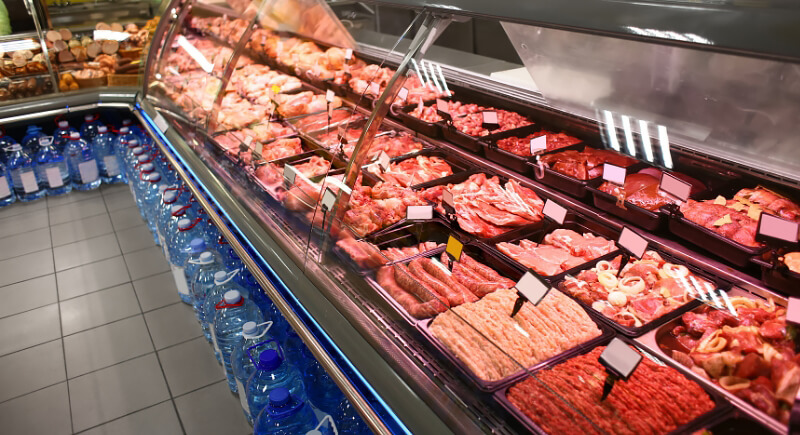
Meat counters often use warm, reddish lighting that makes cuts appear richer in color. Produce sections rely on bright, cooler tones that help greens stand out and make reds look riper. Bakery displays usually glow under soft, golden light that gives bread and pastries a freshly baked look. Grocery stores adjust lighting by section because the right color and brightness can make products appear more appealing and encourage more purchases.
Why Free Samples Aren't Really Free
Credit: Photo Images
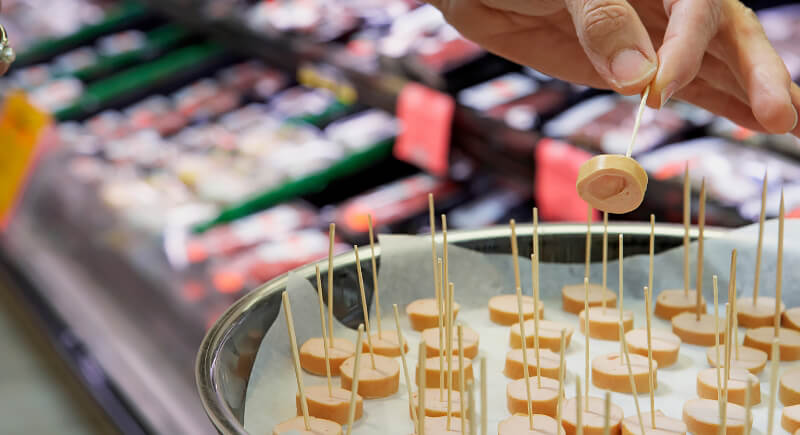
Taking a free sample can set off the reciprocity effect, a simple social instinct that makes people feel like they should return the favor. In a grocery store, that favor often becomes a purchase. Research has shown that sampling can lift a product’s short-term sales. That is why stores happily give up floor space for someone offering small bites of sausage or cheese on a busy weekend.