
Most people assume their biggest retirement costs will be healthcare, housing, or maybe a few bucket-list vacations. But the real wealth-drainer are the things you already own. Some everyday money traps can quietly bleed your savings dry. The worst part is that many retirees don’t even realize it’s happening until it’s too late.
Fixing these financial leaks doesn’t require drastic lifestyle changes—just smarter choices. So before you fall into that trap, too, let’s learn more about things that could be eating away at your retirement fund.
Your House Is Too Big

Credit: flickr
That five-bedroom house was great when kids were running around. But now you’re basically heating and cooling empty space while paying sky-high taxes and maintenance costs. Downsizing not only helps with decluttering, but it can also help you cut expenses in the long run.
Credit Card Debt Is Stealing Your Savings

Credit: Canva
Still carrying a balance on that high-interest credit card? That’s like lighting your retirement money on fire. It’s just the bank that gets to enjoy the warmth. Paying off debt now means more of your hard-earned cash stays in your future fund, not in a lender’s pocket.
Timeshares Keep Taking Your Money

Credit: Getty Image
You thought you were buying a vacation, but you really bought a lifetime subscription to maintenance fees. Timeshares are nearly impossible to sell and often cost more than just booking a luxury hotel when you actually want to travel.
Luxury Cars Cost More Than You Think

Credit: pexels
That sleek ride may be turning heads, but it also drains your wallet pretty quickly. Depreciation, premium gas, costly repairs, and high insurance make luxury cars an ongoing financial burden. A fuel-efficient car keeps you cruising without hurting your savings.
Collectibles Might Not Pay Off
Credit: flickr
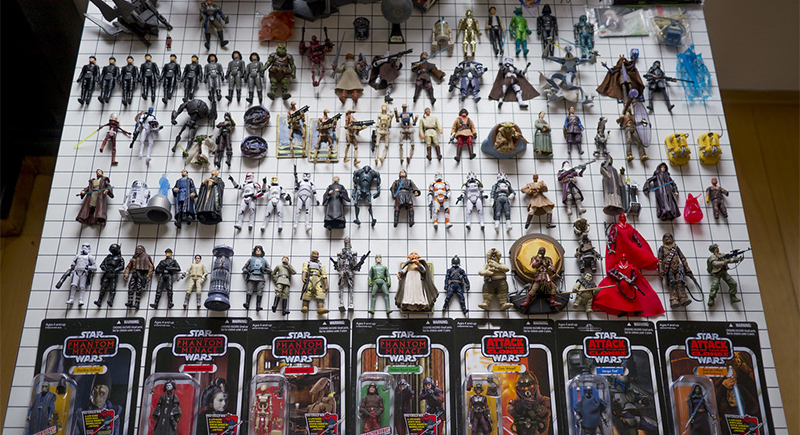
Sure, that Beanie Baby could be worth millions… but probably not. Investing in collectibles is risky, and selling them for a profit is harder than it looks. If your retirement plan involves rare coins or vintage toys, you might want a backup strategy.
A Second Home Drains Your Savings

Credit: flickr
Vacation homes sound like a brilliant idea, especially when you’re nearing retirement. But don’t forget about all the hidden costs involved. Taxes, insurance, and upkeep never end. If you only visit a few weeks a year, it may not be worth it. Renting when you travel saves money and removes the hassle of managing another property.
Unused Subscriptions Steal Your Money

Credit: Canva
One of the easiest ways to drain your bank account is through membership fees and subscriptions you no longer use. Checking your subscriptions and figuring out what you don’t use can save you hundreds every year. If you’re not using it, cancel it. Your bank account will thank you.
Old Insurance Policies Waste Cash

Credit: Getty Image
You might be overpaying for insurance you no longer need. Reviewing your coverage can reveal hidden savings and eliminate unnecessary premiums. In fact, adjusting coverage to fit your current needs can put extra money back in your pocket.
Expensive Hobbies Add Up

Credit: Canva
It doesn’t matter what these expensive hobbies are; consider whether the cost is worth the joy they bring you. If your hobby requires monthly dues, expensive gear, or frequent travel, consider budget-friendly alternatives. Retirement fun shouldn’t come with a financial hangover.
Investment Fees Eat Away at Your Returns

Credit: pexels
Some investment accounts charge high fees that cut into your profits. Paying too much in management fees can shrink your savings over time. Switching to low-fee options like index funds can help your money grow faster without unnecessary costs.
Home Renovations That Don’t Pay Off

Credit: Getty Image
A $50,000 kitchen upgrade might make your home look stunning, but will it actually increase its value? Before splurging on major renovations, make sure they bring a real return on investment. Stick to practical improvements that increase home value instead of trendy renovations.
Giving Too Much to Family Hurts Your Future

Credit: Getty Image
If you have the habit of expensive gifting, think again. We love our kids, friends, and relatives, but bankrolling their lifestyle could leave you struggling later. Setting boundaries doesn’t mean you don’t care—it means protecting your own financial security first.
Overpaying for Health Insurance

Credit: Getty Image
Are you overpaying for a premium plan? You might not even need all that coverage. Make sure to compare options to find a plan that still protects you without draining your savings. Finding a balance between affordability and quality care is key to smart spending.
Too Many Cars Cost Too Much

Credit: pexels
If you have more cars than drivers in your household, consider cutting back now. Factors like insurance, maintenance, and registration costs add up quickly. If you’re retired and driving less, keeping extra cars isn’t worth it. Selling one can put cash in your pocket and cut down on unnecessary expenses.
Storage Units Hold Wasted Money
Credit: flickr
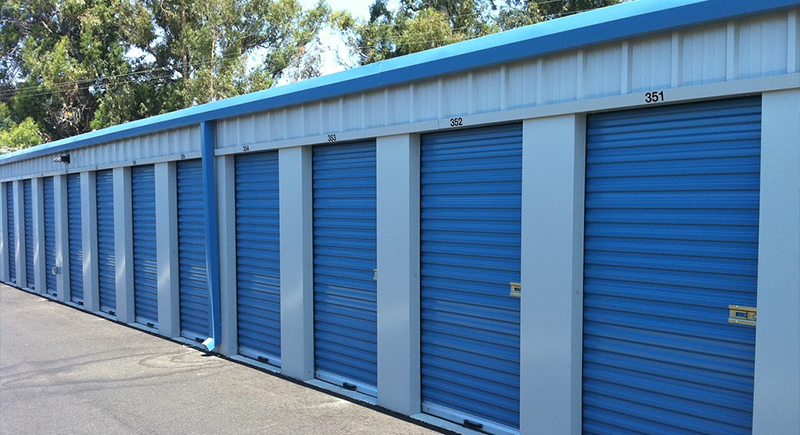
If you pay a monthly fee to store things you never use, you're essentially throwing away money. Decluttering your home eliminates the need for extra space. Selling or donating stored items also saves you money and simplifies your life.
Paying for “Full” Cable Packages
Credit: Getty Images
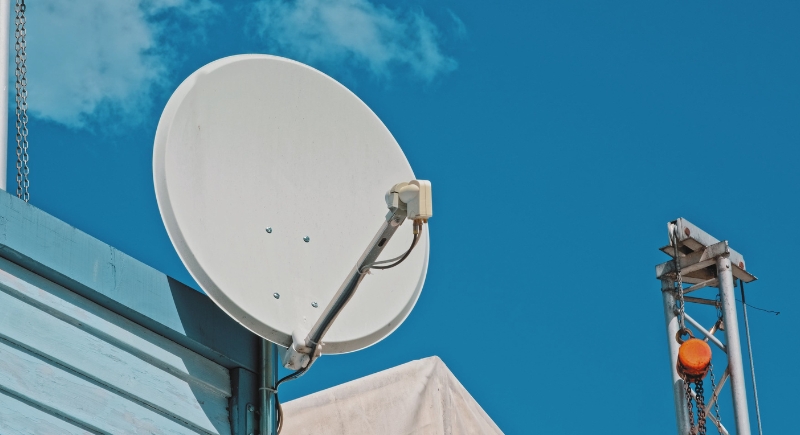
Those massive cable bundles quietly drain hundreds every year for channels barely watched. Monthly bills creep higher with fees, sports add-ons, and equipment rentals. Streaming covers most needs for far less. Holding onto full cable out of habit can slowly siphon retirement savings without delivering real value.
Keeping an Expensive Landline
Credit: Getty Images
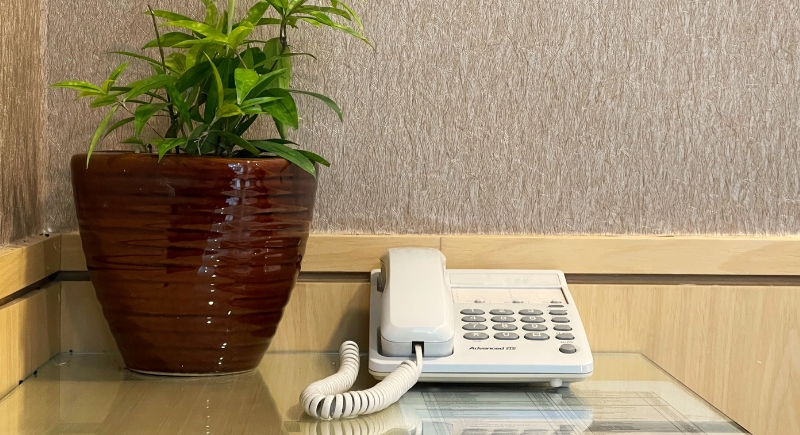
Landlines can be comforting, but they come with monthly charges, long-distance fees, and equipment costs that add up quickly. Many sit unused while smartphones handle everything more efficiently. Paying for a landline in retirement is often a case of spending money on nostalgia rather than necessity, quietly eroding long-term savings.