
Price hikes can sneak up on anyone, especially when tariffs are in the mix. Groceries, electronics, and even car repairs can suddenly cost more than expected. As trade tensions shift and policies update, staying one step ahead helps more than reacting later. With a few practical moves and a clearer financial game plan, it’s easier to feel prepared even when prices don’t play fair.
Refinance Loans Before Rates React

Credit: Getty Images
When tariffs are imposed, borrowing becomes more expensive quickly. Interest rates can climb as inflation expectations rise, and that adjustable-rate loan sitting in the background might jump. Locking in a fixed-rate mortgage or refinancing credit card debt can save real money over time. Don’t wait until rates shift and lenders start tightening up their offers.
Stock Up on Shelf-Stable Imports

Credit: iStockphoto
A single container of extra-virgin olive oil has probably visited more countries than most people. When tariffs go up, those international journeys start costing extra. Foods like canned fish, spices, coffee, and rice noodles often get hit early. Buying shelf-stable favorites in bulk is now considered smart grocery math.
Rethink Major Purchases With Imported Parts

Credit: Canva
A new washer or car might be assembled in the U.S., but the nuts, chips, or hinges holding it together may not be. That’s where tariffs come in. Even one imported part can significantly increase the overall cost of the item. Replacing a worn-out fridge might be a smarter move to make sooner.
Rebalance Portfolios Toward Low-Volatility Sectors
Credit: Getty Images
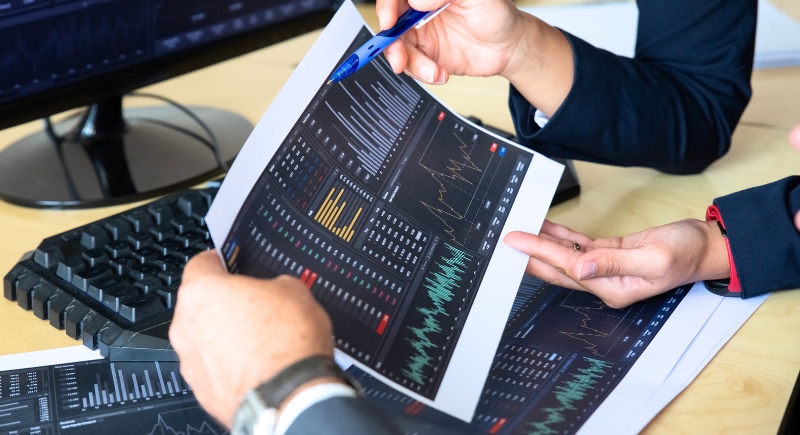
When international trade headlines get noisy, certain investments tend to hold their nerve. Utilities and healthcare typically move at a slower pace, which can be beneficial. Shifting part of your portfolio into steadier sectors might help if markets get twitchy.
Use Cash Accounts for Flexibility

Credit: Syda Productions
Keeping some money in a high-yield savings account or short-term Treasury bills gives you wiggle room when prices jump. Cash isn’t just about emergencies; it’s also about timing. Having money ready lets you pounce on deals or make moves when others are holding back.
Pause on Unnecessary Subscription Spending

Credit: Canva
There’s a streaming service you probably haven’t opened in weeks. The same applies to that monthly snack box or premium app. Those small charges stack up without offering much in return. Tariffs tend to raise daily living costs, so it makes sense to review what’s quietly pulling cash from your account.
Look Into Gold or Inflation-Protected Assets

Credit: pexels
Gold’s been a safe haven for centuries, not because it’s flashy, but because it doesn’t rely on anyone’s promises. Treasury Inflation-Protected Securities (TIPS) work a little differently—they adjust with inflation to keep their value. When everything else reacts to trade tension, these just keep doing what they do.
Compare Retailers on Big-Ticket Goods

Credit: iStockphoto
Not every seller reacts the same way to tariffs. Some absorb costs to stay competitive, others raise prices immediately. Take a few extra minutes to compare prices between local retailers and online platforms. Some stores lock in prices early or sell through tariff-free inventory, giving buyers a window before markups arrive.
Delay Travel If It’s Getting Expensive

Credit: Getty Images
Airfare and hotel prices can shift quickly with supply chain changes, especially if imported fuel or supplies are affected. If your trip isn't urgent, watching fares for a few extra weeks might save hundreds. Loyalty points, miles, and travel apps can help stretch budgets while things fluctuate.
Make Small Upgrades Before Prices Shift

Credit: pexels
Items such as light bulbs, printer ink, home repair supplies, or gardening equipment often contain imported materials. They’re not expensive individually, but replacing them during tariff surges makes them feel heavier on the wallet. A quick run to stock up on a few basics can be a small act of preparation.