
If you have ever purchased tickets online, you may have noticed a “convenience fee” appear just before checkout. The same thing happens with flight bookings: airlines charge extra just to select an aisle or window seat. Costs like these tend to catch people off guard, even though the service itself usually stays the same. Companies present these costs as normal parts of the process, but a closer look at several common examples reveals that many of these payments are optional, negotiable, or simply unnecessary.
Concert Ticket Service Fees

Credit: Canva
Ticket marketplaces add processing, commission, and transaction fees during checkout when people purchase online. Platforms such as Ticketmaster, SeatGeek, StubHub, Vivid Seats, and AXS rely heavily on these charges. The base ticket price does not usually reflect the final amount a consumer pays. Lawsuits have even challenged the lack of transparency in ticket pricing.
Airbnb Service Charges

Credit: Getty Images
A listing that looks affordable in search results on short-term rental platforms can become significantly more expensive after the platform adds service fees and taxes. In one widely shared example, a $99 nightly listing ended up costing more than $400 for two nights. Airbnb collects a percentage of each booking, which explains the price increase.
Airline Seat Selection Fees
Credit: Canva
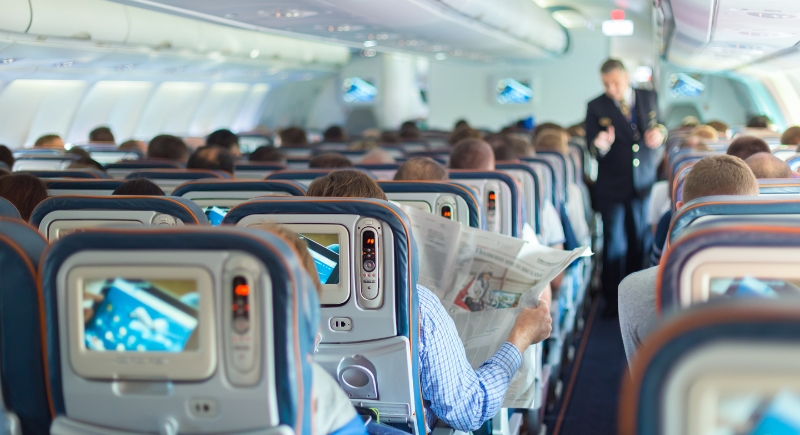
Airlines once included seat assignments as part of a standard ticket purchase. Many carriers now charge passengers to select a seat at the time of booking. The fee can sometimes exceed $20 per flight segment. The charge feels unnecessary because passengers already paid for transportation on that flight.
ATM Withdrawal Fees
Credit: Canva
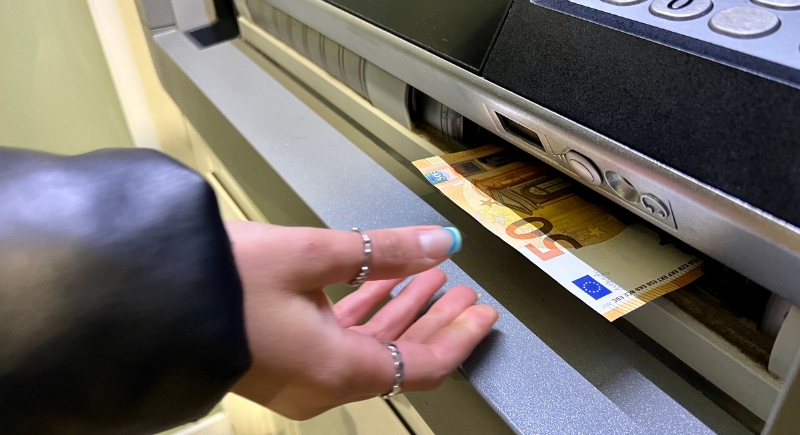
Accessing cash should be simple when the money already belongs to the account holder. However, banks still require you to pay a sum for withdrawing money using an ATM outside their network. The typical amount is around $3 per transaction. Customers who make several withdrawals each month may lose a noticeable amount of money over time.
Car Dealership Add-On Fees

Credit: Canva
When buying a car, you are likely to see several extra charges appear during the final paperwork stage. This is because dealership documents typically include items labeled advertising fees, delivery costs, or undercoating services. In such cases, feel free to ask to review the factory invoice for the car, which lists legitimate manufacturer-related expenses.
Gym Initiation Fees

Credit: Getty Images
Joining a gym usually involves an initiation fee added to the first membership payment. Fitness centers describe the amount as a cost connected to account setup or membership enrollment. In practice, the sum typically functions as a revenue boost for the gym and sometimes, administrative or promotional cost recovery.
Paid Credit Reports
Credit: Getty Images
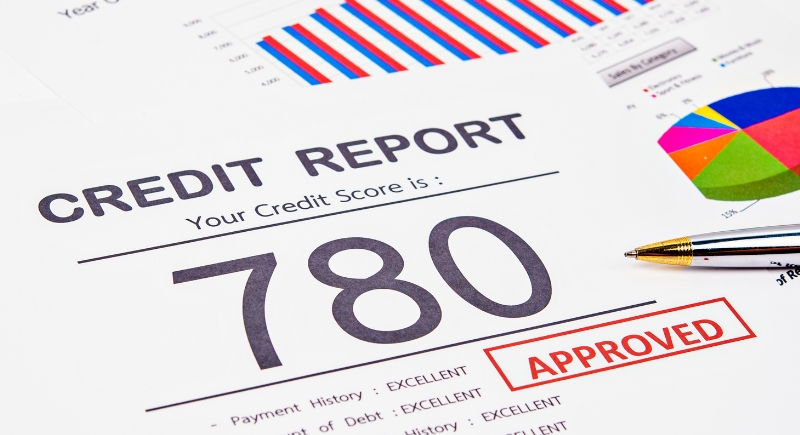
Credit reports play an important role in financial health, yet many people pay for access without realizing there are free options. United States law allows consumers to view their credit reports through a website without any additional fees. Several financial services platforms also provide credit monitoring tools at no cost.
Bank Overdraft Protection Fees
Credit: Getty Images
It is normal for banks to allow transactions to go through even when an account balance drops below zero. This feature, called overdraft protection, is presented as a helpful safeguard. The service usually comes with a significant fee that can lie between $30 to $45. A very small purchase can trigger that added cost when the balance falls short.
Paper Bank Statement Fees
Credit: Canva
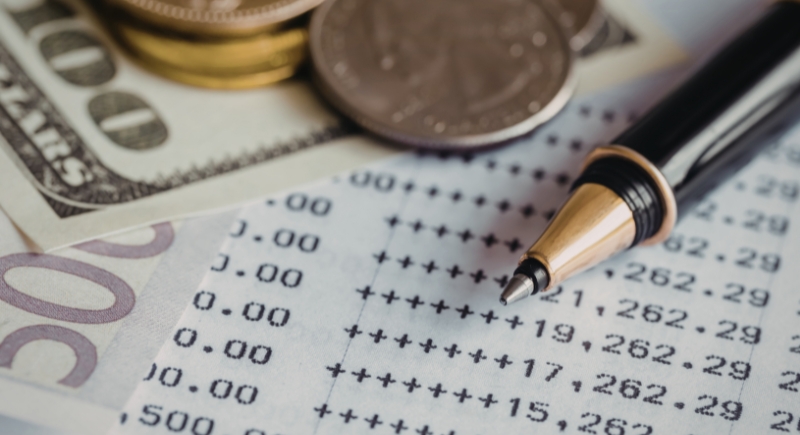
To protect the environment, banks often encourage customers to switch to electronic statements instead of paper copies mailed by mail. For this reason, various institutions charge a monthly fee for printed statements, which usually ranges from $2 to $3. The expense may seem small at first, yet it recurs every month for something that can be easily replaced with digital access.
Online Shipping Fees
Credit: Canva
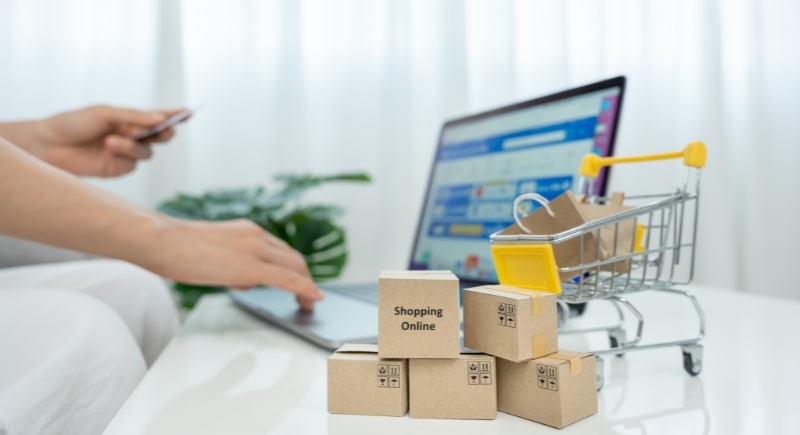
When shopping online, you may notice a shipping charge pop up if your order does not meet a minimum purchase threshold. A number of retailers offer free delivery only after customers spend a minimum amount. This system is designed to motivate shoppers to add extra items just to remove the shipping fee. Retailers benefit because the overall order becomes larger.