
Every company gets things wrong sometimes. Most mistakes stay contained. But once in a while, a single decision goes so badly that it shifts an entire industry. One missed trend, one stubborn belief, one delayed pivot can cost millions or even billions. These are ten business mistakes that didn’t just hurt profits; they changed history.
Xerox Showed Apple the Future
Credit: Wikimedia Commons
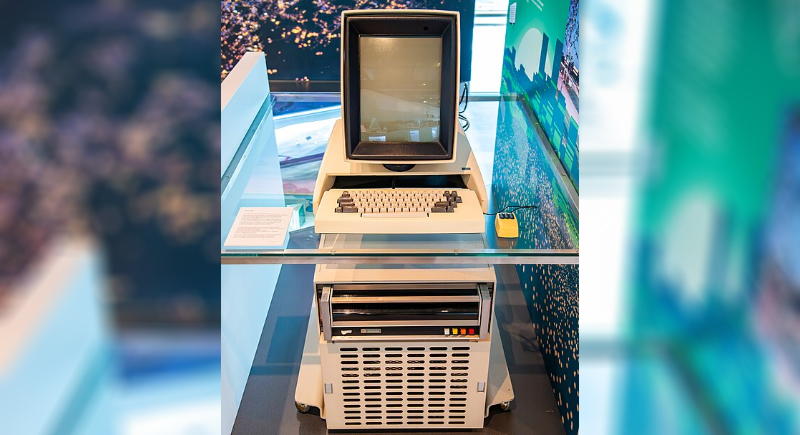
Xerox PARC invented the personal computer as we know it in 1973. Their Alto computer had a graphical user interface, a mouse, and Ethernet networking. Then, in 1979, Steve Jobs toured their facility. He got excited and took those ideas back to Apple. Xerox's executives were too focused on their photocopier business to realize they'd just handed away the blueprint for the PC revolution.
Blockbuster Laughed Netflix Out of the Room
Credit: Wikimedia Commons
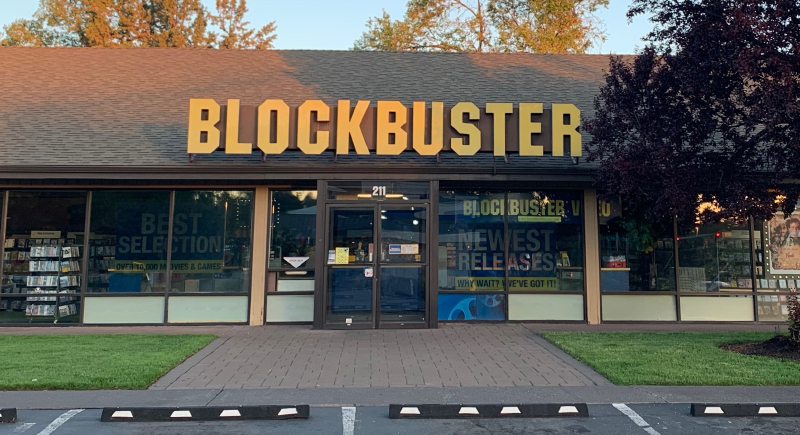
In 2000, Reed Hastings approached Blockbuster with an offer to sell his struggling startup, Netflix, for $50 million. The idea was simple. Netflix would handle the online side of the business, while Blockbuster would continue operating its retail stores. Executives reportedly dismissed the pitch. At the time, Blockbuster dominated the home video market and saw little long-term potential in subscription DVDs or future streaming. Today, Blockbuster is largely gone, while Netflix is valued at roughly $260 billion.
Kodak Invented Digital Photography, Then Buried It
Credit: Reddit
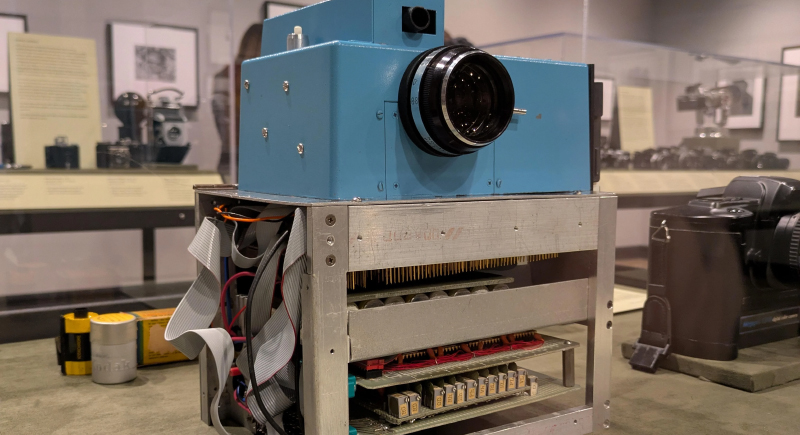
The engineer who invented the digital camera in 1975 worked for Kodak. Company executives saw Steve Sasson's toaster-sized prototype, which captured black-and-white images and basically told him to keep quiet. They were making massive profits selling film and didn't want to disrupt their business model. By the time Kodak finally entered the digital camera market in the 2000s, competitors had already taken over. The company filed for bankruptcy in 2012.
Yahoo Passed on Google
Credit: Wikimedia Commons
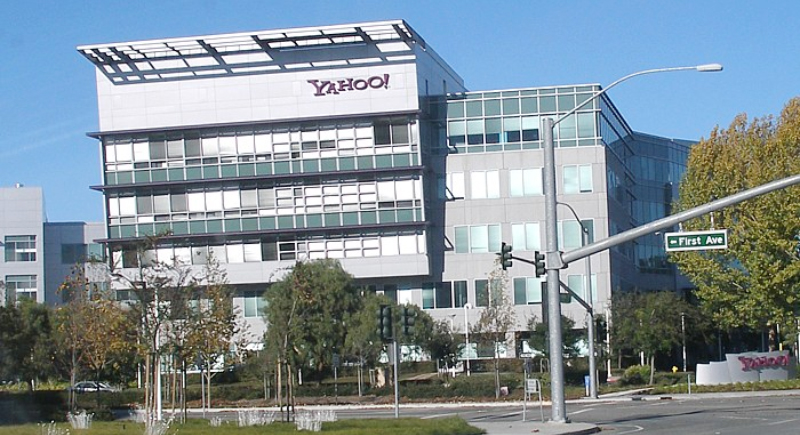
In the early 2000s, Yahoo explored buying Google. Yahoo reportedly offered $3 billion, convinced its web portal model had more long-term value than a standalone search engine. Google’s founders wanted $5 billion, and the deal never moved forward. Today, Google’s parent company, Alphabet, is worth about $2 trillion. Yahoo, by comparison, was sold in 2017 for $4.48 billion.
BlackBerry Dismissed the iPhone as a Toy
Credit: Wikimedia Commons
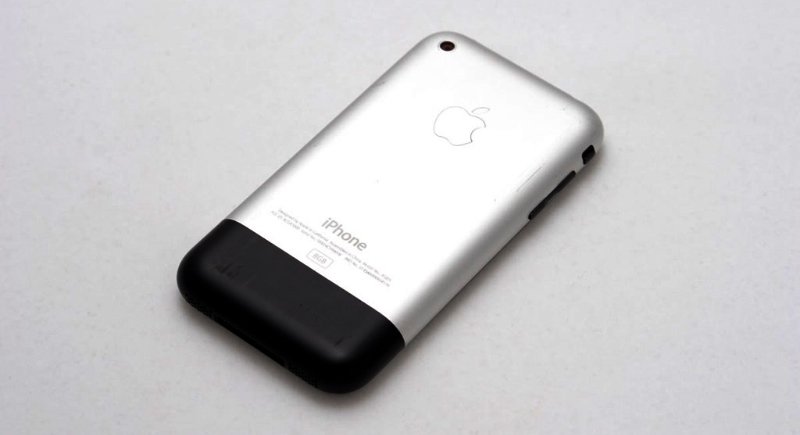
When Apple introduced the iPhone in 2007, BlackBerry leaders downplayed it as a device that would not appeal to serious business users. BlackBerry controlled about half the U.S. smartphone market and believed physical keyboards were essential. Within years, touchscreens dominated. By 2016, BlackBerry exited phone manufacturing, while Apple had sold over 1.2 billion iPhones in its first decade.
Excite Turned Down Google for $750,000
Credit: Wikimedia Commons
Before Yahoo ever passed, Google reportedly tried to sell itself to Excite for $750,000. Excite’s CEO found the search technology impressive but declined, concerned that better results would send users off the site too quickly. At the time, portals focused on keeping visitors browsing. In 2004, Ask Jeeves bought Excite for $342 million, while Google went public at a $23 billion valuation.
Decca Records Rejected The Beatles
Credit: Wikimedia Commons
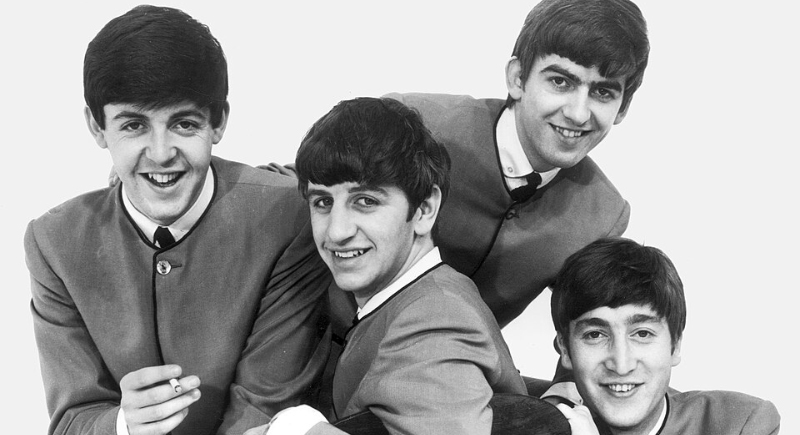
Dick Rowe had to choose between The Beatles and another band, Brian Poole and the Tremeloes, in 1962. He picked the latter because he believed guitar-led groups were losing popularity. The Beatles signed with EMI's Parlophone label and later sold over 600 million records worldwide. While "Decca" tried to save face by signing The Rolling Stones a year later, missing out on The Beatles could have changed the record label's fortunes.
Nokia Refused to Adapt to Smartphones
Credit: Wikimedia Commons
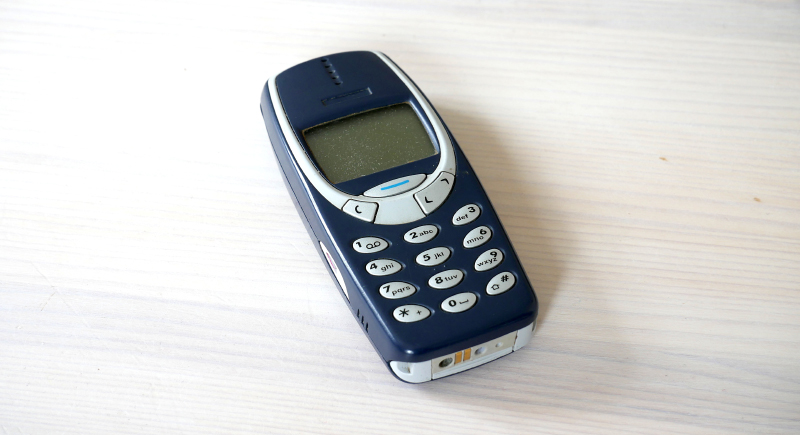
The Finnish company sold its billionth phone in 2005 and controlled around 40% of the mobile market. Then the iPhone arrived, but Nokia's leadership believed consumers didn't need app stores or touchscreens. They finally partnered with Microsoft in 2011 to create Windows phones, but the software was clunky and arrived late. Microsoft purchased Nokia's mobile division for $7.2 billion, an anticlimactic end for a company that once had a market cap of $245 billion.
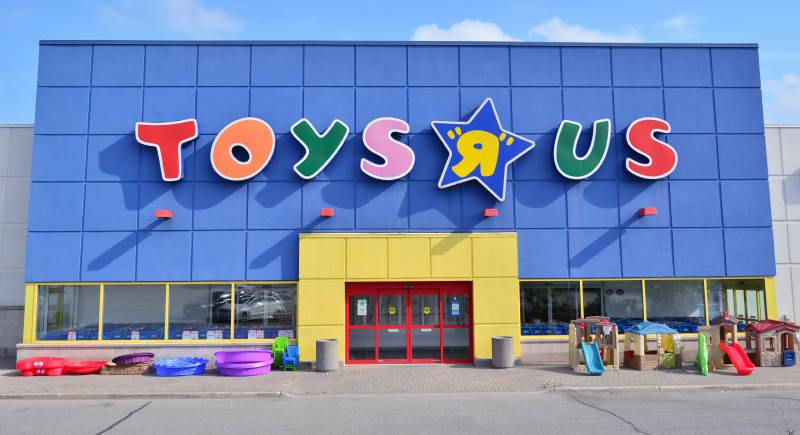
Toys "R" Us Handed Its Business to Amazon
Credit: Wikimedia Commons
In 2000, Toys "R" Us agreed to pay Amazon $50 million a year, plus a percentage of sales, to run its online toy business under what was meant to be a 10-year exclusive deal. Amazon later allowed other toy sellers onto the platform, leading to a legal fight. Although Toys “R” Us exited the agreement in 2006, Amazon had already gained deep insight into the toy market. Toys “R” Us filed for bankruptcy in 2017.
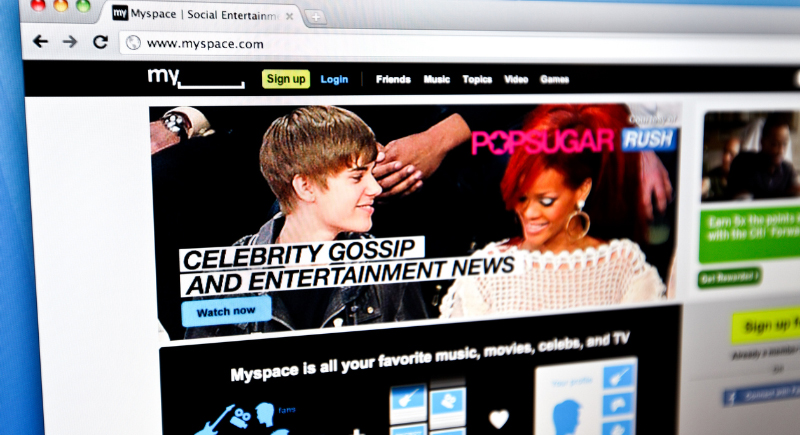
MySpace Sold Too Early and Lost Everything
Credit: iStockphoto
In 2005, Rupert Murdoch bought MySpace for $580 million through News Corp, when it dominated social media. Advertising increased heavily under new ownership, frustrating users. Meanwhile, Facebook grew quickly with a cleaner design and faster platform. Within three years, Facebook had surpassed MySpace in users. Murdoch sold MySpace in 2011 for $35 million, recovering only a fraction of the original price.