
lon Musk is the world’s richest man with a fortune measured in the hundreds of billions. Long before tech stocks and electric cars, a small group of Americans controlled chunks of the entire economy. Measured against GDP rather than stock prices, their wealth often carried more weight. Looking back puts modern billionaire numbers into perspective and shows how extreme earlier fortunes really were.
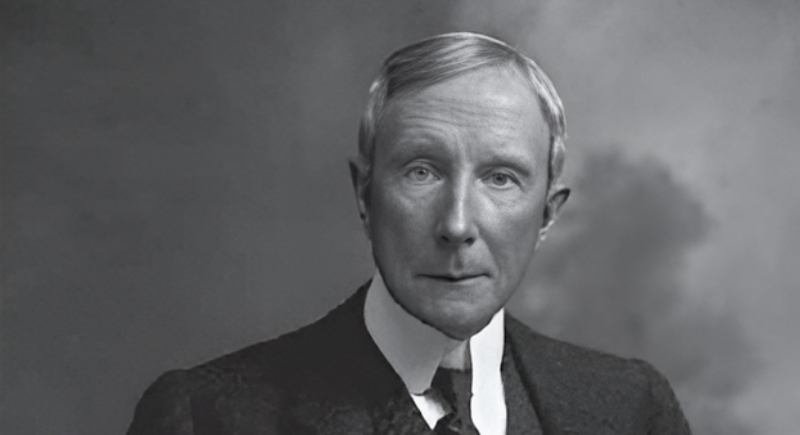
John D. Rockefeller
Credit: Wikimedia Commons
At his peak, John D. Rockefeller controlled nearly 90% of American oil refining through Standard Oil, which meant that energy prices, transportation costs, and industrial growth often traced back to his decisions. His wealth equaled about 1.5% of U.S. GDP. He donated approximately $450 million to education and public health causes.
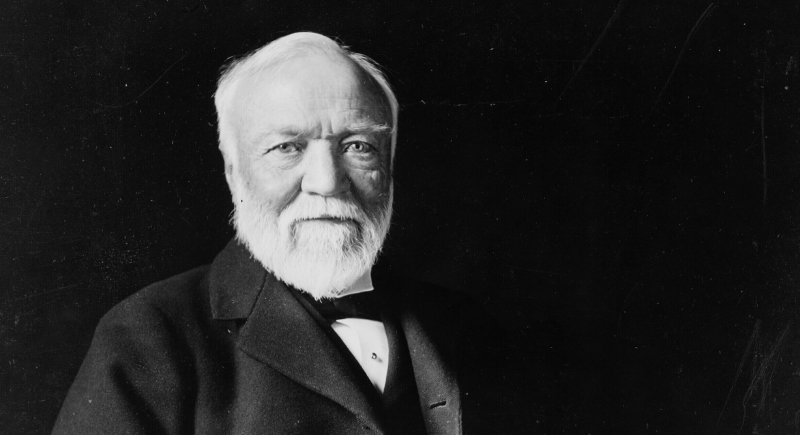
Andrew Carnegie
Credit: Wikimedia Commons
Andrew Carnegie paid the bills for Steel. Railroads, bridges, and cities all needed it, and Carnegie Steel sat right at the center of that demand. His sale to J.P. Morgan helped create U.S. Steel, the first billion-dollar corporation in the United States. Carnegie died with a modest balance sheet because he had already donated nearly 90% of his wealth, which is equivalent to approximately $6 billion today.
Alexander Turney Stewart

Credit: Wikimedia Commons
Department stores did not exist until Alexander Turney Stewart created them. Fixed prices, seasonal sales, and customer-focused layouts changed shopping habits across America. His retail empire left behind more than $1 billion in modern dollars, with millions set aside for longtime employees.
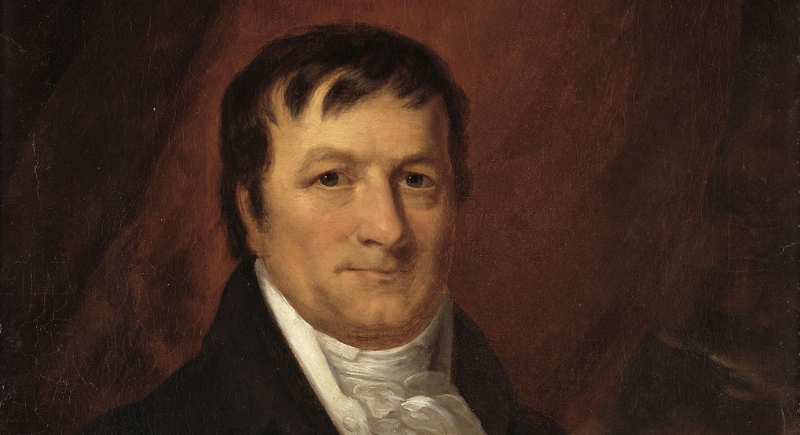
John Jacob Astor
Credit: Wikimedia Commons
Manhattan real estate was rooted in its legacy, although it was fur hats that laid the foundation for John Jacob Astor. He bought land when New York was still a patchwork of farms, then watched values climb as the city expanded north. His estate is estimated to be between $600 billion and $900 billion in today’s dollars.
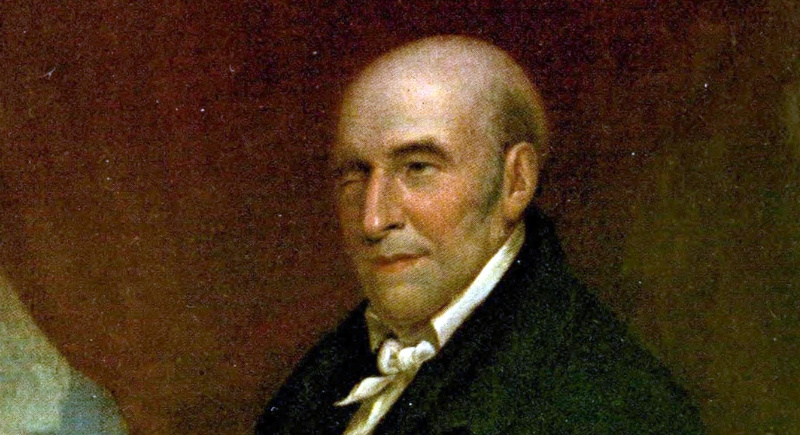
Stephen Girard
Credit: Wikimedia Commons
Banking played a crucial role in rescuing the country during the War of 1812. After buying the assets of the First Bank of the United States, Stephen Girard became the federal government’s primary lender when others refused. His private credit kept the Treasury afloat. Girard later left most of his wealth to charity, with modern estimates placing his estate at around $255 million.
Cornelius Vanderbilt
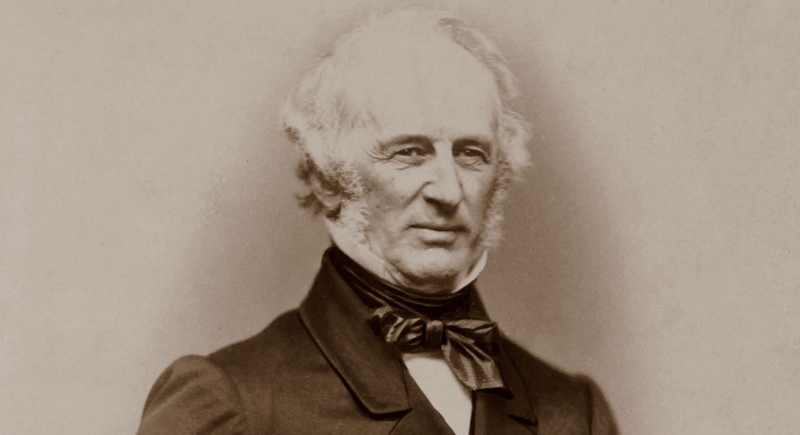
Credit: Wikimedia Commons
Shipping lanes came first for Cornelius Vanderbilt, followed by railroads once steamships were locked down. Starting with a single ferryboat, Vanderbilt crushed the competition by undercutting prices until rivals folded. He later did the same with rail lines in New York and the Northeast.
Richard B. Mellon
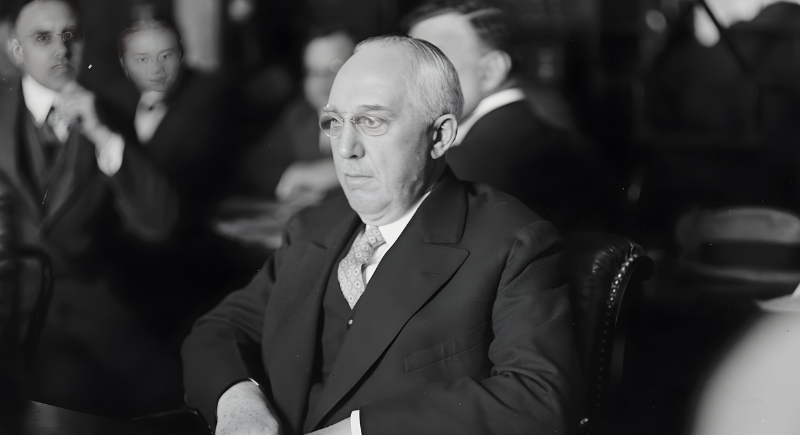
Credit: Wikimedia Commons
Born into wealth, Richard B. Mellon expanded it through banking, heavy industry, and infrastructure financing in Pennsylvania. The Mellon family played a pivotal role in transforming Pittsburgh into an industrial hub, while also supporting education and scientific research. Estimates put his personal fortune at above $120 billion in 2025 dollars, although shared family holdings make exact figures difficult to pin down.
Stephen Van Rensselaer III
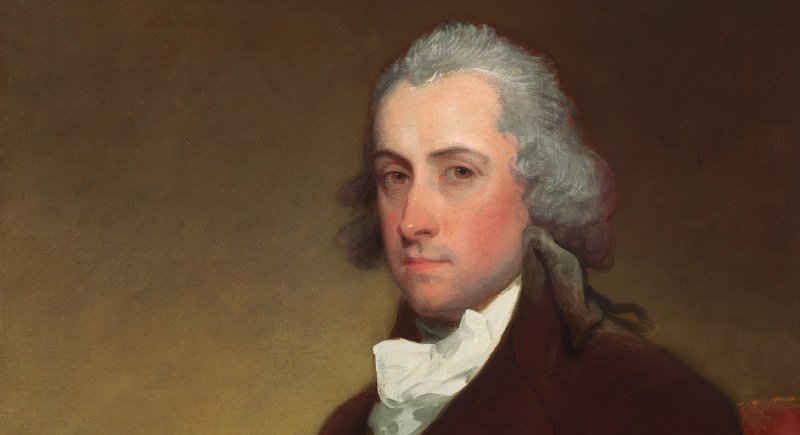
Credit: Wikimedia Commons
Land ownership defined power in early America, and Stephen Van Rensselaer III controlled vast tracts of land in upstate New York through the Rensselaerswyck manor. Nearly 3,000 tenants lived on his land under long-term leases. His estate was valued at about $133 million adjusted for inflation, and disputes over rent later fueled the Anti-Rent War.
Frederick Weyerhaeuser
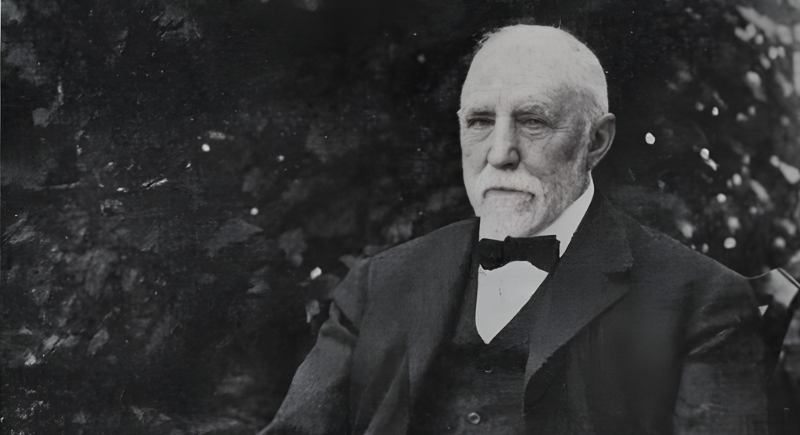
Credit: Wikimedia Commons
Timber fueled American expansion, and Frederick Weyerhaeuser owned it on a large scale. He acquired nearly one million acres of Pacific Northwest forest and controlled mills from harvest to sale. His fortune exceeded $85 billion in today’s dollars, and the company remains the world’s largest timber seller.
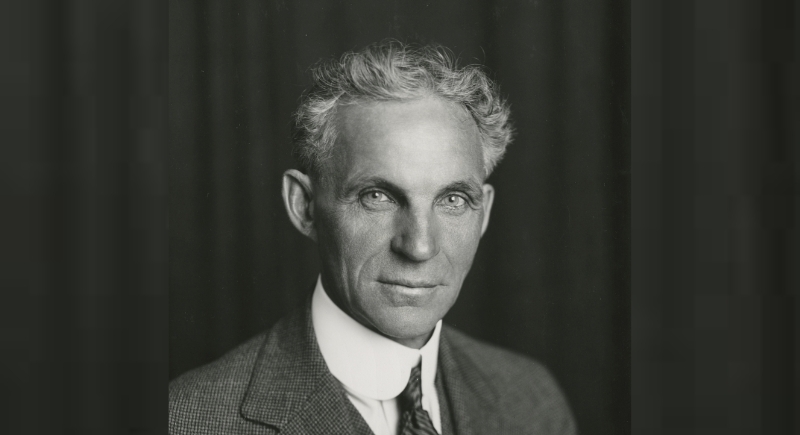
Henry Ford
Credit: Wikimedia Commons
Cars were luxury items until Henry Ford introduced the moving assembly line. Faster production dropped prices, making the Model T affordable for middle-class families. At his peak, Ford’s wealth was nearly $200 billion in today’s terms, driven by industrial efficiency rather than market speculation.