
New technology almost never feels comfortable at first. When something unfamiliar shows up, people question it. Is it safe? Is it worth the money? Will it replace jobs or change daily life in ways no one asked for? Early reactions are often skeptical, and sometimes openly hostile. Critics speak up, headlines turn dramatic, and established industries push back.
With time, that resistance usually softens. Many inventions we now rely on were once mocked, feared, or dismissed as unnecessary. Looking at those early reactions shows how normal it is to doubt change. It also puts today’s debates into perspective, because what feels disruptive now may eventually become part of everyday life.
Automobiles Were Regarded As Financial And Practical Risks
Credit: Wikimedia Commons
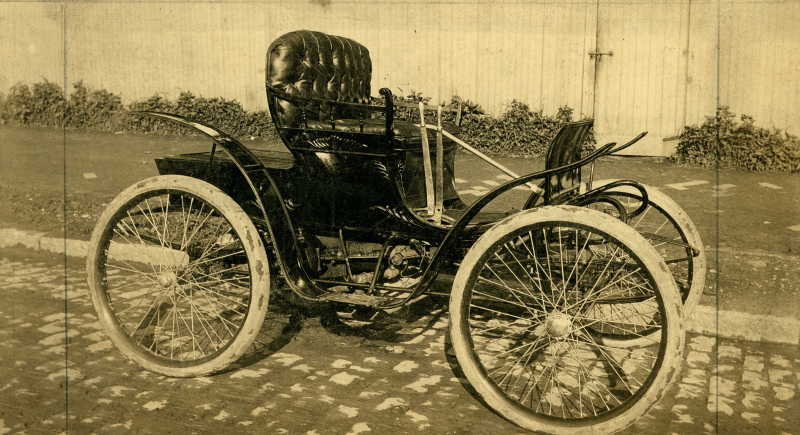
Early automobiles struggled to gain credibility beyond novelty status. The New York Times questioned their practicality, and a Michigan banker warned investors that horses would remain dominant. Cities had entire industries built around stables, feed, and carriage repair, so replacing that system seemed unrealistic.
Elevators Prompted Anxiety When Operators Disappeared
-
Credit: Youtube
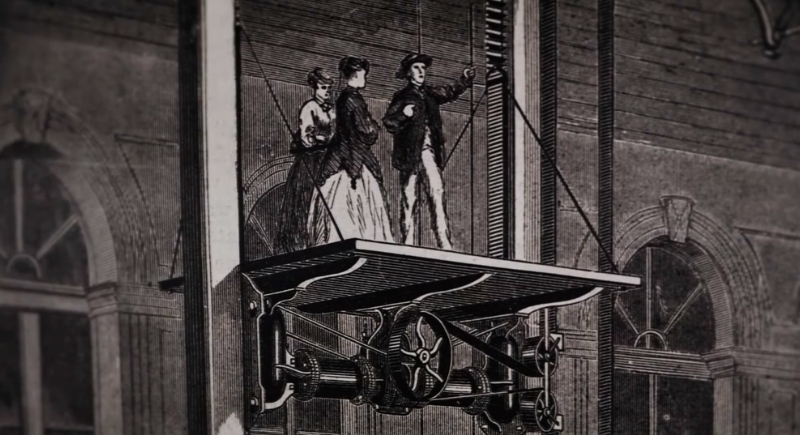
When automatic elevators appeared around 1900, riders hesitated at the doors. Many stepped inside, searched for a uniformed operator, and walked back out. Handing control to push buttons and unseen mechanisms felt risky in an era when vertical travel already carried unease inside tall commercial buildings.
Television Was Doubted By Industry Leaders
Credit: Wikimedia Commons
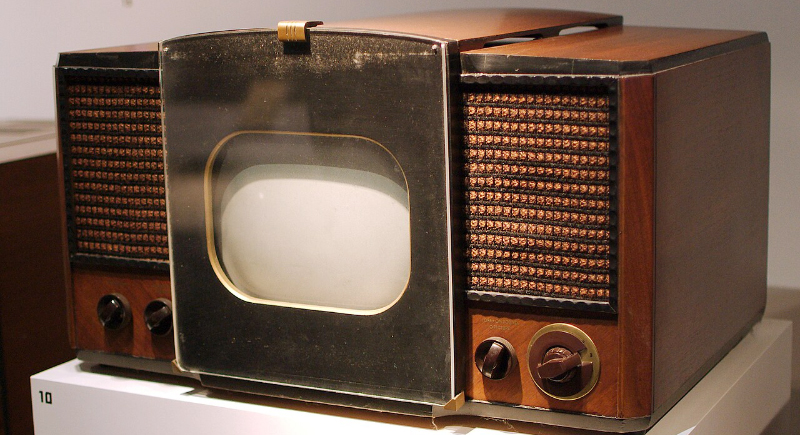
In 1946, film executive Darryl Zanuck predicted audiences would tire of staring at a flickering screen each night. Radio pioneer Lee de Forest treated television as overhyped. Their doubts reflected a belief that home entertainment had limits and that radio and cinema already comfortably filled that space.
Refrigerators Carried Documented Safety Hazards

Credit: Wikimedia Commons
The first household refrigerators relied on gases such as methyl chloride and ammonia. Leaks released toxic fumes into kitchens and bedrooms, and several incidents turned fatal during sleep. Ice delivery companies highlighted those risks in advertisements and urged families to distrust chemical cooling systems brought indoors.
Credit Cards Led To Widespread Fraud And Legislative Action
Credit: National Museum of American History
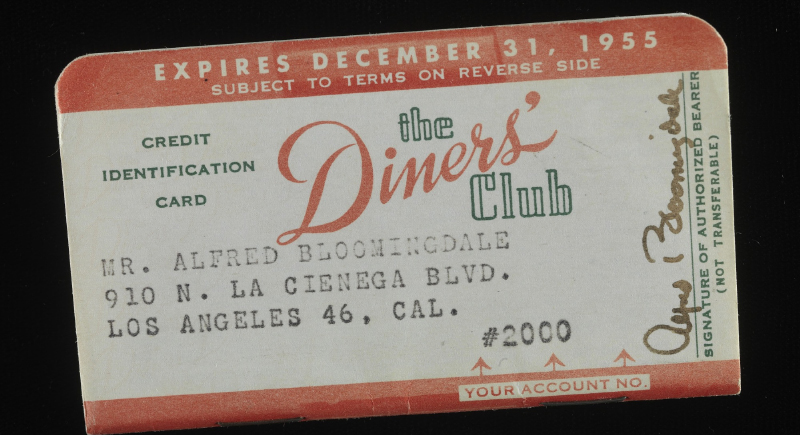
When Bank of America mailed two million unsolicited credit cards in 1958, the results were costly. The bank faced a 22 percent delinquency rate and millions of dollars in fraud losses. Merchants had already expressed distrust. The scale of the damage led Congress to prohibit unsolicited mass card mailings.
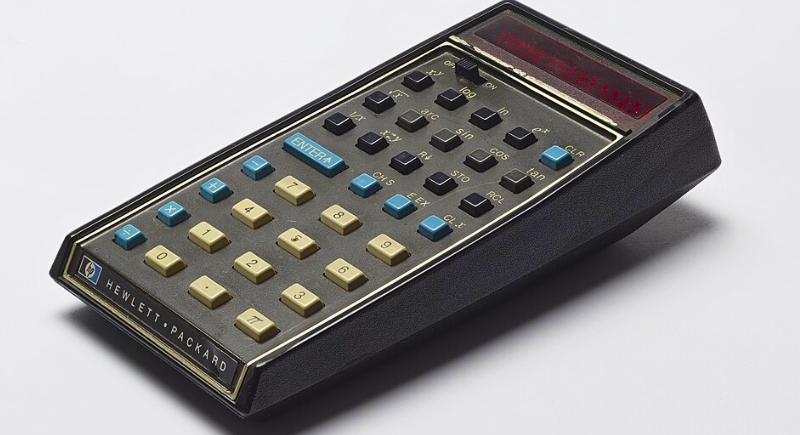
Calculators Became The Target Of Organized Protests
Credit: Wikimedia Commons
By the mid-1980s, resistance to handheld calculators spilled into public protests. In 1986, math teachers picketed conferences, carrying signs calling for bans. They argued that students would lose fluency in basic arithmetic if machines handled every computation. This framed the debate as a defense of mental discipline.
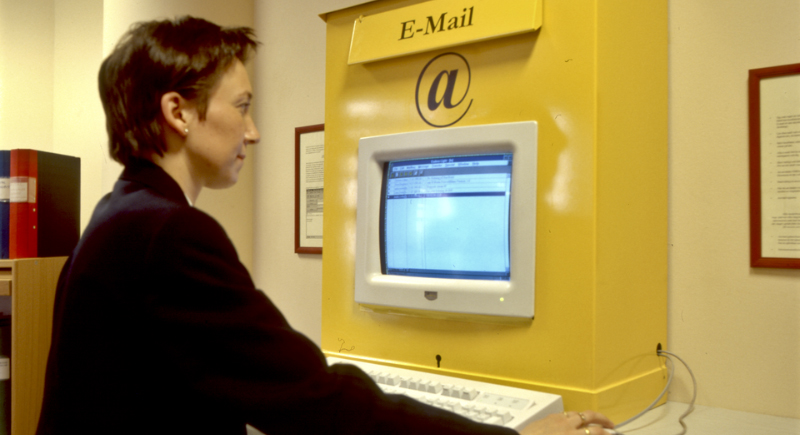
Email Encountered Corporate Resistance
Credit: Wikimedia Commons
Early corporate email systems met with reluctance from senior leaders who preferred dictated memos and printed letters. Some executives refused to read messages on screens. They wanted to rely on assistants to summarize correspondence. Companies worried that constant digital communication would distract employees and dilute formal business etiquette.
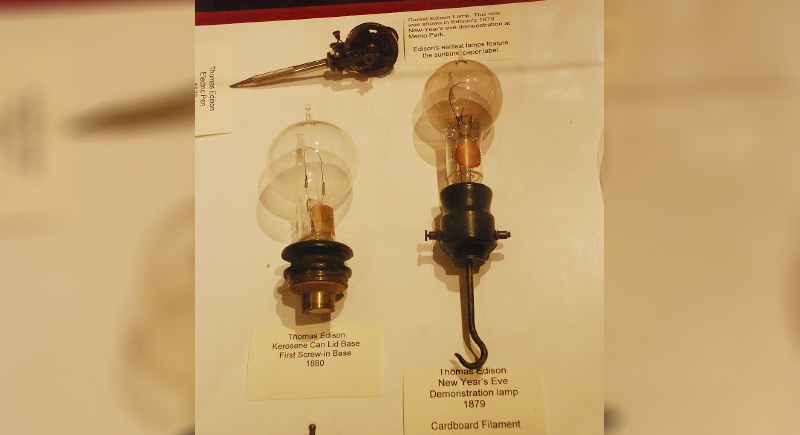
Light Bulbs Were Publicly Dismissed By Authorities
Credit: Wikimedia Commons
When Thomas Edison demonstrated a practical incandescent bulb in 1878, British authorities responded coolly. A Parliamentary committee labeled it unworthy of serious attention, and a Post Office engineer described electric subdivision as a fantasy. Gas lighting already dominated cities, so centralized electric systems seemed implausible.
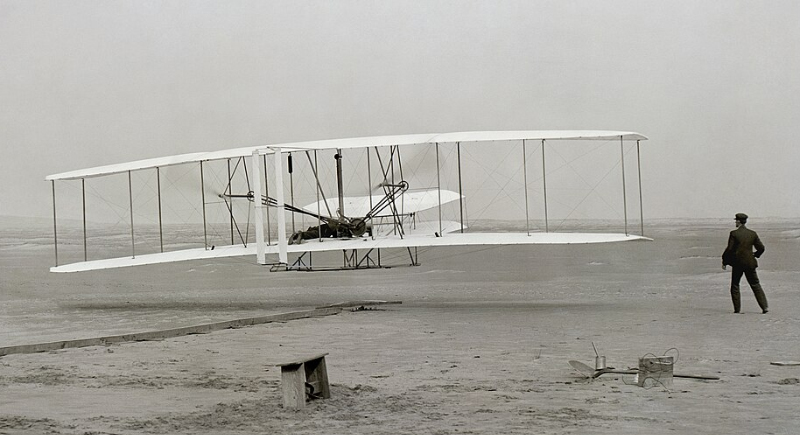
Airplanes Were Considered Strategically Insignificant
Credit: Wikimedia Commons
After the Wright brothers flew for twelve seconds in 1903, many military leaders remained unconvinced. In 1911, French general Ferdinand Foch called airplanes scientific toys without strategic value. Within a decade, aircraft carried mail across oceans and reshaped combat during the First World War.
Vaccination Mandates Sparked Organized Legal Challenges
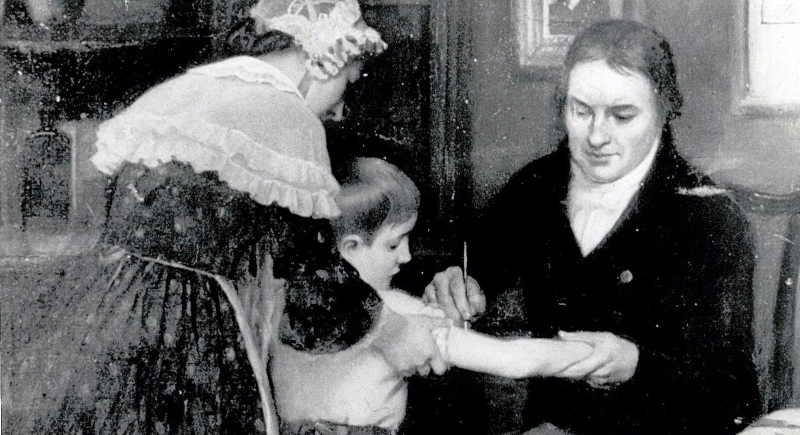
Credit: Smithsonian Magazine
During smallpox outbreaks in the 1870s, vaccination requirements in the United States led to the formation of Anti-Vaccine Leagues. One Boston member challenged compulsory immunization laws through the local and the Supreme courts and lost. Smallpox was declared eradicated in 1980 following sustained vaccination campaigns.