
Grocery shopping won’t get easier next year. Several everyday items are expected to experience noticeable price increases in 2026 due to rising tariffs and shifts in the industry. This means that some of your go-to basics could end up costing significantly more. Here’s what’s on track to become pricier and why it might be worth watching these items a little closer at checkout.
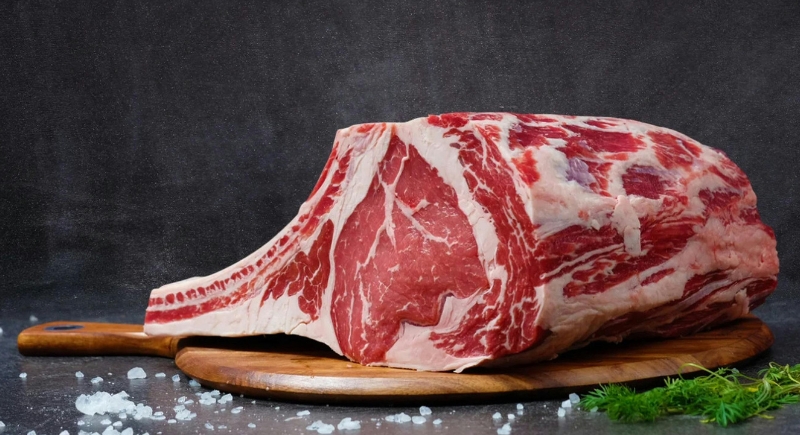
Beef Cuts Are About to Get Costlier
Credit: pexels
Fewer cattle on North American ranches have tightened the beef supply, and that’s already raising wholesale costs. Some ranchers are exiting the business altogether and adding pressure to an already shrinking market. Beef prices could climb another 7% in 2026, according to Dalhousie University researchers, and that ripple effect might stretch into other meats, too.
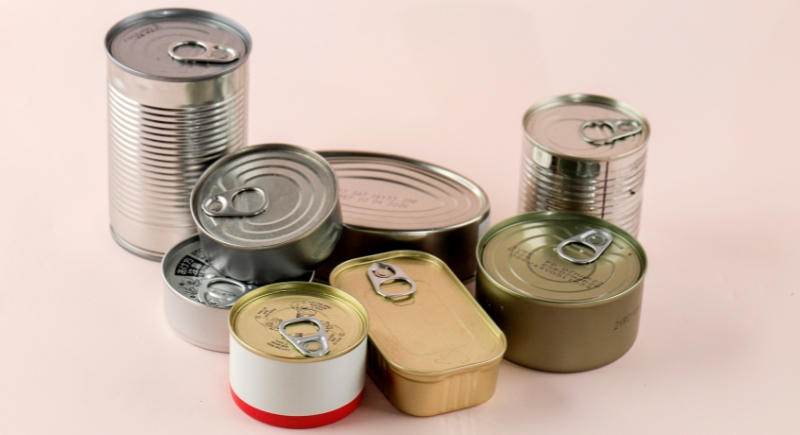
Canned Goods Might Lose Their Budget Appeal
Credit: Canva
Middle-aisle staples like canned beans, tomatoes, and soups are typically inflation-proof, but not this time. Metal packaging costs are rising, and tariffs on aluminum and steel from Asia are increasing the cost of manufacturing. Products that once provided reliable, low-cost meal options could now start creeping out of the bargain zone.
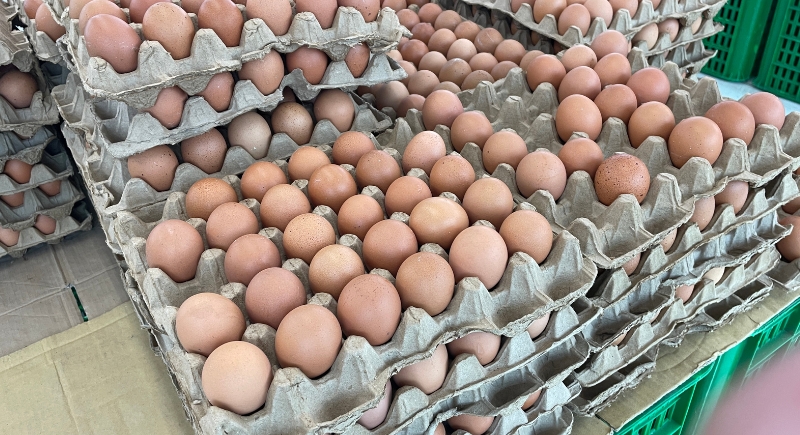
Egg Prices Aren’t Cracking Yet
Credit: Canva
Egg production still hasn’t fully recovered from the bird flu outbreaks that hit key states like Utah and Oregon. The USDA reported a 4% drop in output year-over-year, and consumer prices have already surged over 37% this year. Supply chains are also still fragile, and more flocks are at risk.
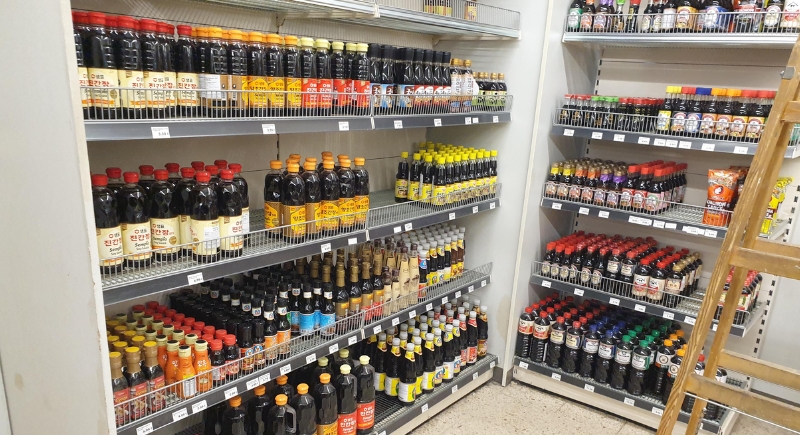
Soy Sauce Isn’t Safe from Tariffs
Credit: Reddit
Soy sauce relies heavily on ingredients imported from Asia, and tariffs on Chinese goods are putting pressure on the entire category. With China producing a large portion of the global supply, these added import costs are making their way to shelves. Even store brands might not stay immune.
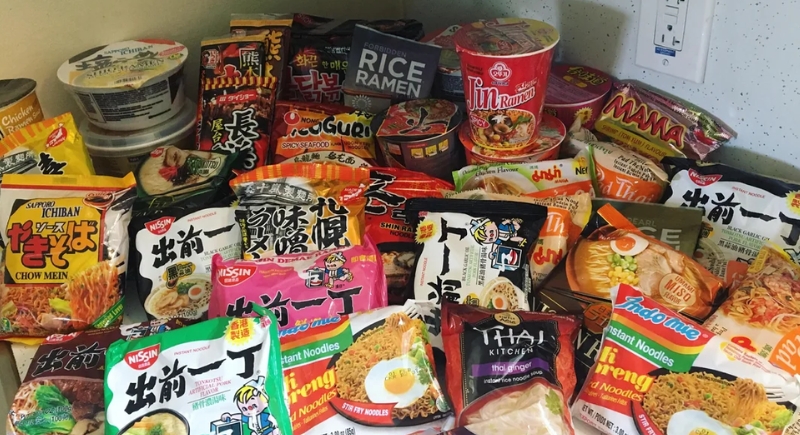
Instant Noodles Could Boil Your Budget
Credit: Reddit
Instant ramen has long been the unofficial meal of tight weeks and dorm rooms, but its low price point is under threat. The U.S. imports a large chunk of its noodle cups from Vietnam, China, and South Korea, all of which are affected by the rising trade costs.
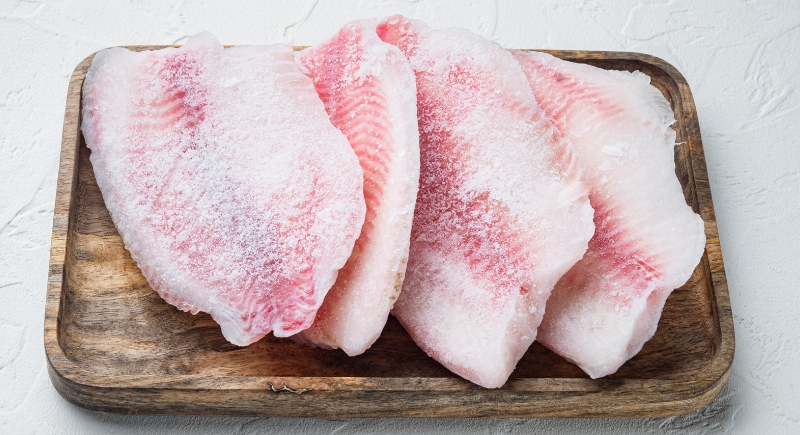
Frozen Tilapia and Cod May See a Chill in Affordability
Credit: Getty Images
The U.S. depends heavily on seafood imports, especially frozen fish like tilapia and cod. Much of it comes from China, where production remains high, but new trade restrictions and higher freight costs are pushing up prices. These lean proteins were once a budget-friendly seafood option, but sticker shock may start setting in soon.
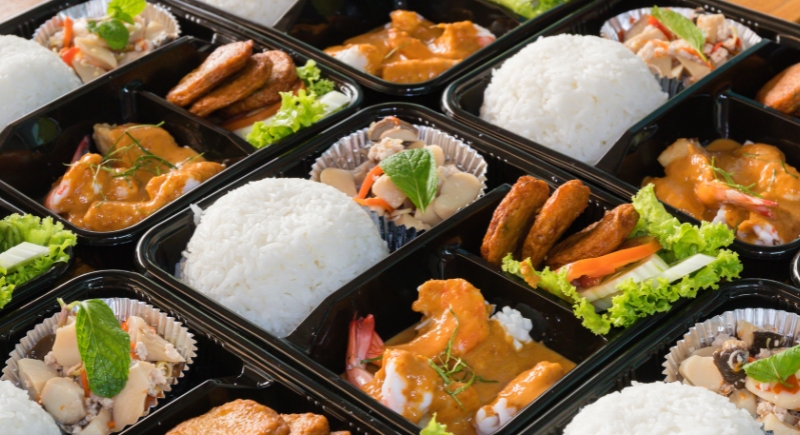
Packaged Meals Are Squeezed by Packaging Costs
Credit: Getty Images
Pre-made meals and shelf-stable entrees are also under pricing stress. The issue isn’t always the food; it’s the plastic, metal, and cardboard packaging, much of which is imported. Tariffs and higher raw material prices are hitting every part of the supply chain. Even domestic brands are adjusting prices to keep up with rising production costs.
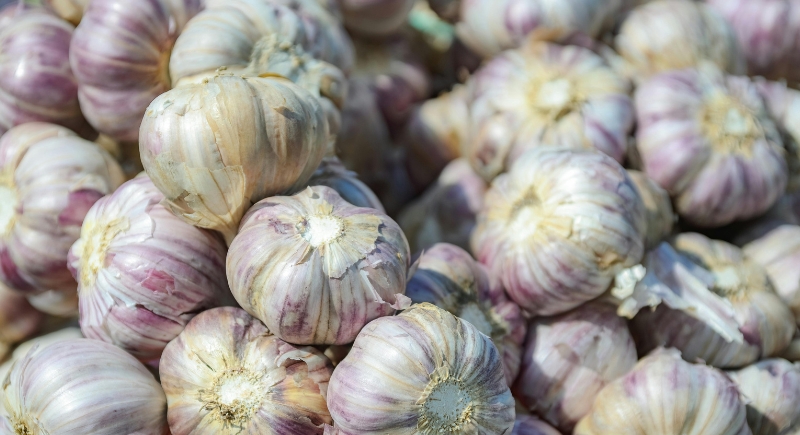
Garlic Prices Could Start to Sting
Credit: pexels
You’d think garlic would be safe, but nearly three-quarters of the global supply comes from China. That makes it one of the more exposed imports under the current tariff climate. California does grow its own, but not at the volume to keep prices stable nationwide.
Tea Drinkers Might Need a Refill Plan

Credit: Getty Images
China remains the world’s top tea producer, supplying nearly half of global output. This includes popular varieties such as jasmine and green tea. Budget teas imported from Asia could lose their low-price edge. American-made alternatives exist, but most still rely on imported leaves, so price bumps may be widespread in this category.
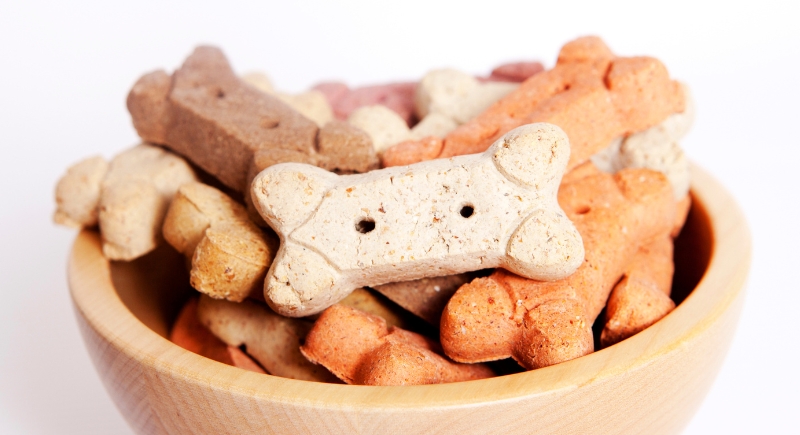
Pet Treats Are Feeling the Bite
Credit: Getty Images
Rawhide chews and other dog snacks are often produced overseas, or at least made with imported ingredients and packaging. With aluminum, steel, and even some meat-based components affected by tariffs, production costs have jumped. Pet stores and grocery chains alike are adjusting prices accordingly.