
Most garden tools you see today are made for quick use and easy replacement. They’re light, colorful, and practical, but they rarely feel built to last. That’s exactly why older tools are coming back into focus. The ones people remember from their grandparents’ sheds have weight, durability, and a different kind of appeal, which makes finding them now feel far more satisfying than buying something new.
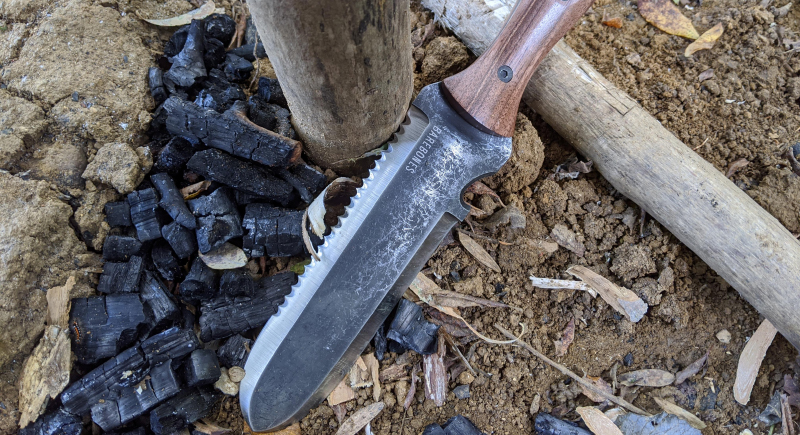
The Hori Hori Knife
Credit: Reddit
This tool goes back to Japan’s Edo period, when foragers used a short, double-edged blade to dig and harvest plants. The name “hori” comes from the Japanese word for digging, and it echoes the sound the blade makes as it cuts into soil. Many collectors prefer carbon-steel versions because they stay sharper longer than stainless-steel versions. Most people will tell you the same thing: they’re more likely to lose it in the garden than wear it out.
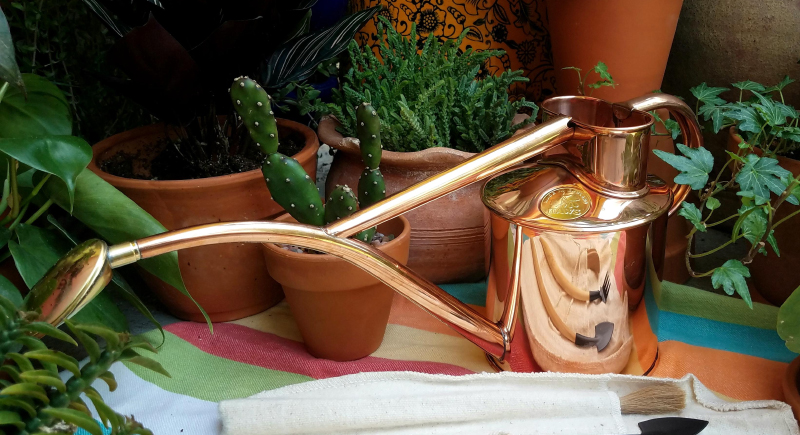
Copper Watering Cans
Credit: Reddit
John Haws designed his watering can in 1886 after struggling to water plants during his time in Mauritius. Older copper cans from 18th- and 19th-century France and England are now selling online for hundreds or even thousands of dollars. Collectors value the natural patina that forms over time and usually leave it untouched. Copper does have antimicrobial properties, though its impact in everyday garden use remains unclear.
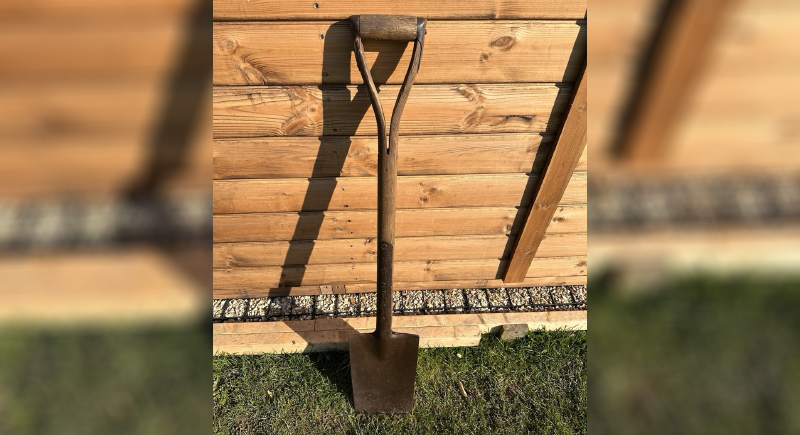
Sheffield-Made Spades
Credit: ebay
Old Sheffield spades have a way of standing out the moment you pick one up. Names like Spear and Jackson, Burgon and Ball, and C.T. Skelton were stamped right into the metal, which is how collectors still trace them today. These weren’t mass-made tools. The blades were forged by hand, and the handles were shaped to actually fit how people worked. Every now and then, one turns up at an estate sale, and it rarely stays there for long.
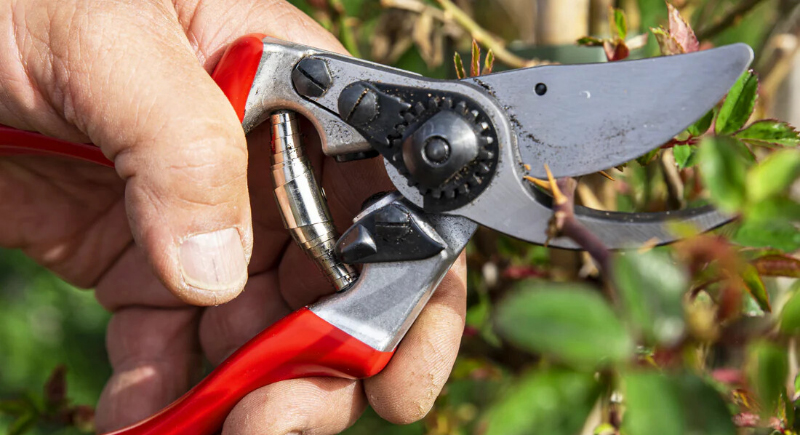
Felco No. 2 Pruners
Credit: ebay
In 1945, Swiss mechanic and inventor Felix Flisch acquired a disused watch dial factory and began making pruning shears. The FELCO 2, launched in 1948, has sold over 19 million units worldwide. A limited 80th Anniversary Edition, in 2026, features bare aluminum handles, a gold-finished blade, and a leather pouch. Every component is replaceable, the factory runs on certified green energy, and production uses 95% recycled steel alloy.
Antique Dibbers
Credit: Reddit
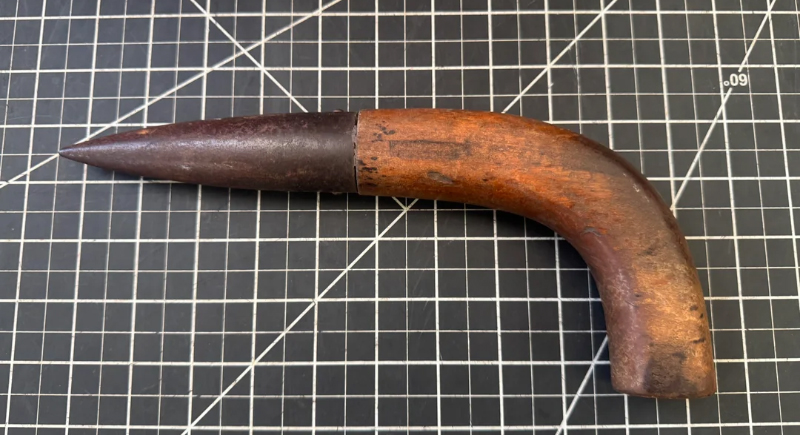
A dibber (also spelled dibble) is a pointed stick for making planting holes, and Victorian versions are sometimes rated highly. Turned from hardwood and brass and occasionally engraved with the owner's initials, they came in multiple sizes by crop as corn planting required a heavier tool than onion sets. Good-condition examples with their original brass ferrule remain favorites at antique shows, and collectors tend to keep them in active use.
Victorian Fern Trowels
Credit: Facebook
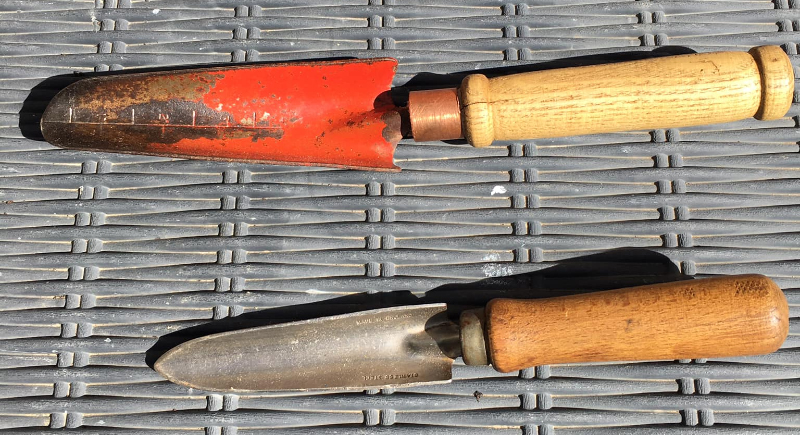
A Victorian fern trowel doesn’t look or feel like an ordinary garden tool. The blade is slimmer than a standard trowel, the handle is shaped for careful work, and you’ll often see brass fittings instead of basic iron. These were made during the 1800s fern-collecting craze in Britain, when people took plant hunting seriously. Even now, they work better than many modern trowels for delicate, precise tasks.
Antique Galvanized Buckets
Credit: Facebook
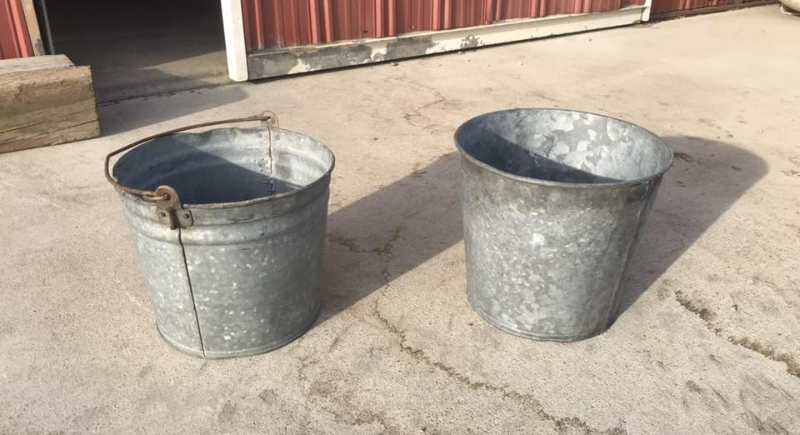
Older galvanized buckets feel different the moment you lift them. They were riveted rather than welded, made from thicker steel, and finished with rolled rims that enhance their durability. That build gives them a sturdiness you rarely see in newer versions. You can still find them at flea markets for around $20, though cleaner or well-preserved ones often sell for much more through vintage sellers.
Asparagus Knives
Credit: Reddit
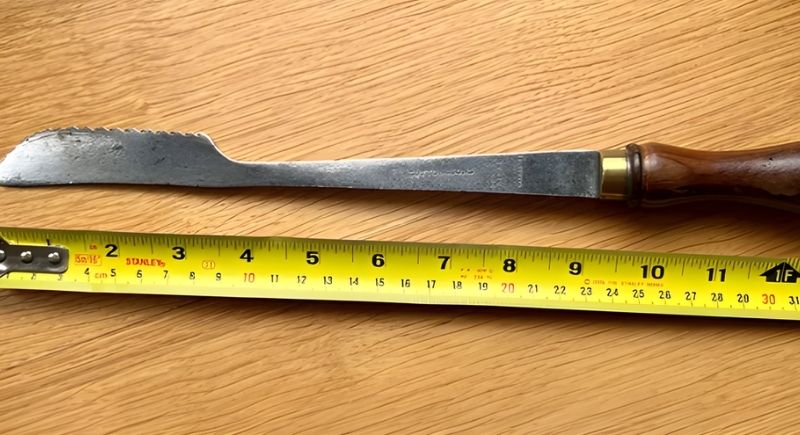
There is a specific tool for cutting asparagus, and almost nobody makes it anymore. The blade is long and narrow, often serrated or V-grooved, designed to sever a shoot cleanly without disturbing anything beside it. Victorian kitchen gardens used them routinely. Wrought iron and antique wooden samples surface at specialist auctions. While they are used for specialized gardening tasks, their design makes them ideal for other applications as well.
Cast-Iron Seed Spreaders
Credit: Facebook
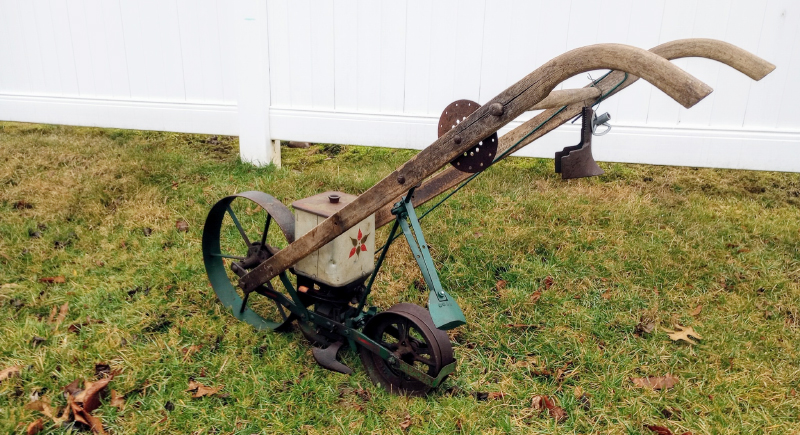
The Planet Jr. No. 1 hand-cranked seeder, introduced by S.L. Allen and Co. in 1868, showed up at major exhibitions in 1876 and again in Paris in 1889. It came from the same company behind the Flexible Flyer sled. Collectors usually look for the cast-iron frame, wooden handles, and the original stamped logo. Most people don’t just keep these on a shelf. They still use them in the garden.
Victorian Glass Wasp Traps
Credit: ebay
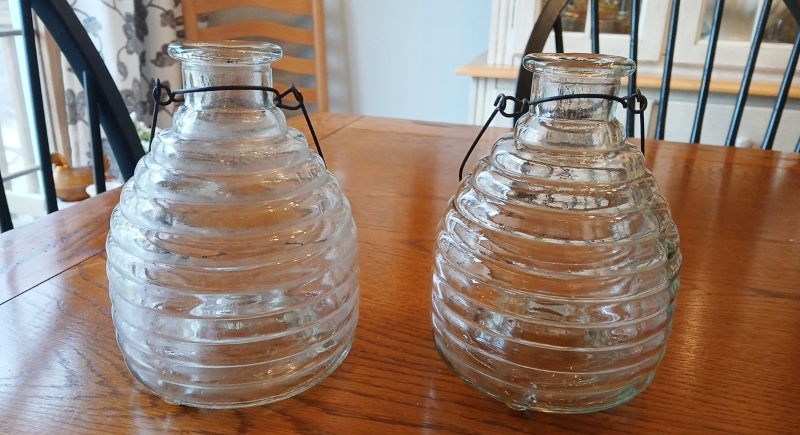
The appeal makes sense the moment you hold one. These handblown glass traps have a curved inner neck designed to let wasps in but not out. The glass itself often shows small imperfections and details that machine-made versions don’t capture. That craftsmanship is part of the draw today, and some 19th-century pieces can sell for a few hundred dollars.