
California has introduced a proposed billionaire tax that, on paper, targets only the ultra-wealthy. The plan would place a one-time 5% tax on people worth more than $1 billion, which makes it sound far removed from everyday households. The debate changes once economists, business leaders, lawmakers, and tech executives start arguing over what happens next. Supporters believe the money could strengthen healthcare and education, while critics warn that higher costs rarely stay limited to billionaires for long.
Wealthy Residents May Leave The State
Credit: Wikimedia Commons
California already depends heavily on tax revenue from high earners. Critics of the billionaire tax say losing even a small number of ultra-rich residents could create budget headaches later. Opponents keep pointing to Florida and Texas as attractive alternatives. If enough wealthy taxpayers relocate, lawmakers may look elsewhere to make up the shortfall in revenue.
Temporary Taxes Have A Habit Of Staying Around

Credit: pexels
Tax experts love bringing up New York’s “temporary” millionaire tax from 2009. Lawmakers extended it again and again until the short-term measure became part of normal budgeting. California’s proposal carries a one-time label, though critics remain skeptical. The Tax Foundation recently warned that governments often grow comfortable with new revenue streams once programs begin relying on them.
Prices Could Rise In Unexpected Places

Credit: pexels
A billionaire tax does not directly raise grocery bills or streaming subscription prices, though business groups argue the effect could still trickle down. Large investors fund startups, commercial real estate projects, and major employers across California. Opponents claim reduced investment activity could raise operating costs for businesses already struggling with high labor and energy costs.
Silicon Valley Is Already Nervous
Credit: unsplash
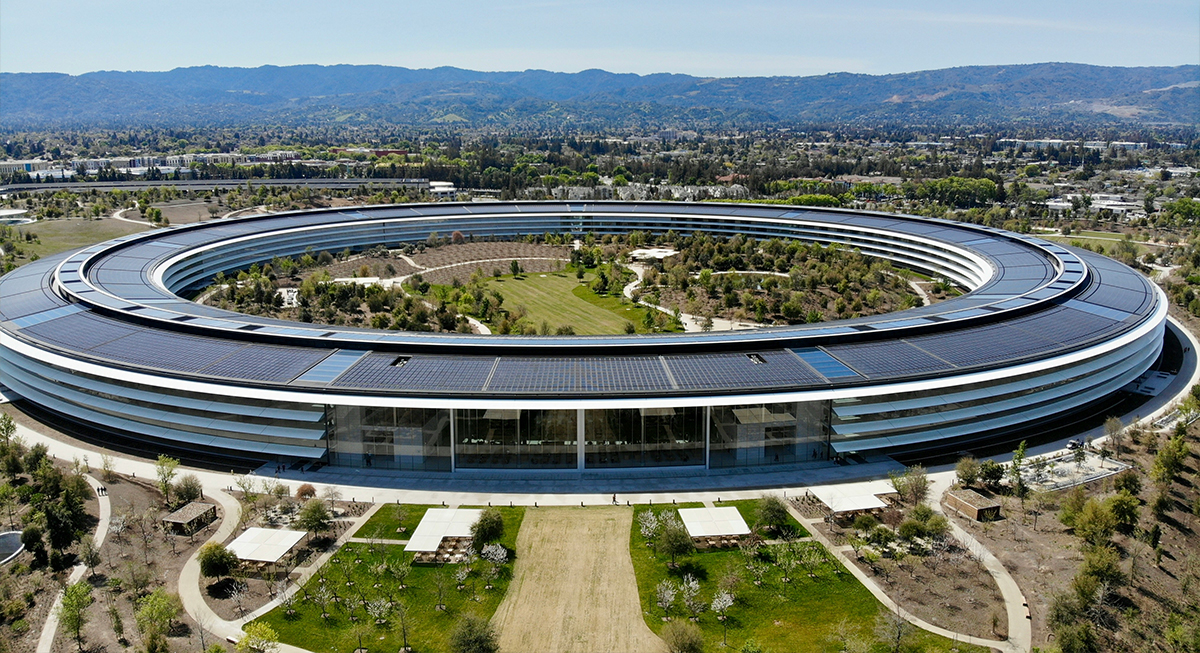
The proposal sparked intense reactions across the tech industry long before voters reached the ballot box. Venture capitalists and executives have poured millions into campaigns opposing the measure. Building a Better California reportedly collected major donations from figures connected to Google, Stripe, DoorDash, and Palantir. That level of spending suggests real concern inside Silicon Valley.
State Budgets Can Become Addicted To New Revenue

Credit: pexels
The proposed billionaire tax is expected to raise roughly $100 billion over five years, with much of that money potentially going toward hospitals, healthcare programs, and education systems affected by federal funding cuts. The concern for some economists and business groups is what happens after governments begin building long-term programs around that revenue. Once spending expands, pulling it back later can become politically difficult, even if the flow of money changes.
Legal Changes Could Expand The Tax Later

Credit: pexels
One section of the proposal sparked considerable debate because it allows lawmakers to amend parts of the measure with a two-thirds vote. Business groups argue that future politicians could lower thresholds or remove exemptions over time. Supporters strongly reject that interpretation and insist the measure stays focused on billionaires only.
California Already Faces A Cost Reputation

Credit: pexels
Residents already deal with expensive housing, high gas prices, and steep state taxes compared with many other parts of the country. Many argue that the proposal feeds a broader reputational problem that is prompting businesses and wealthy residents to reconsider staying long-term. Middle-income workers often follow job opportunities wherever companies decide to expand next.
Ballot Wars Tend To Get Expensive Fast

Credit: pexels
California ballot campaigns regularly turn into financial heavyweight fights, and this proposal looks headed in that direction. Analysts expect hundreds of millions of dollars to flood television ads, digital campaigns, and political mailers before Election Day arrives. Proposition 22 shattered spending records in 2020, and observers expect another huge battle here.
Housing Markets Could Feel Indirect Effects

Credit: pexels
Luxury real estate keeps surfacing in conversations about the billionaire tax because wealthy residents own huge amounts of California property. Financial analysts say sudden departures by top earners could affect high-end housing demand, especially in areas tied closely to the tech industry. Local governments rely heavily on property-related taxes and spending tied to affluent communities.
The Debate Keeps Expanding Beyond Billionaires

Credit: pexels
At first, the proposal focused primarily on healthcare funding gaps resulting from federal cuts. The conversation now covers migration trends, constitutional questions, state budgeting, business confidence, and long-term tax policy. California has become a national test case for taxing extreme wealth at the state level. Residents outside billionaire circles are paying attention because policy experiments rarely stay isolated for long.