
When Graham Walker sold his family company, Fibrebond, for $1.7 billion, the biggest surprise was not the size of the deal. It was what happened afterward. Walker gave $240 million to employees who had helped build the business over the years. A company sale that could have followed a familiar script ended up changing the lives of hundreds of workers in a way few people expected.
A Massive Payday For People Who Didn't Own Stock

Credit: Canva
Big payouts after a company's sale usually go to shareholders. Fibrebond's workers weren't shareholders. They didn't hold stock options or equity stakes. Yet 540 full-time employees received bonuses tied to the sale. The average payout came to about $443,000. For many workers, the news arrived completely out of the blue.
The Deal Included An Unusual Condition
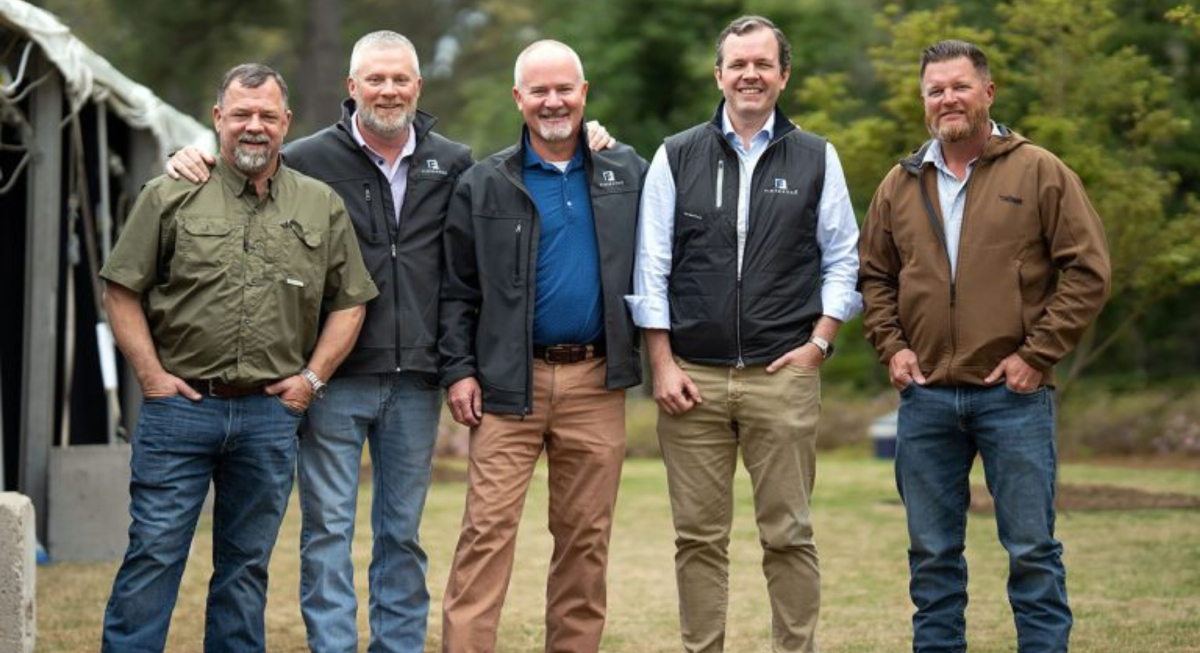
Credit: Fibrebond
Walker didn't wait until after the sale to figure out employee rewards. During negotiations, he told potential buyers that 15% of the proceeds had to go to the workforce. That requirement stayed in place throughout discussions. Buyers interested in acquiring Fibrebond had to accept the arrangement.
Workers Thought It Was A Prank

Credit: Canva
Employees met with company leaders one at a time and received letters revealing their bonus amounts. One worker reportedly searched for hidden cameras. Another questioned whether the whole thing was fake. Executives spent much of the day answering stunned questions. The disbelief made sense because few people expect life-changing money to arrive during a normal workday.
A White Tent Became The Setting For Big News

Credit: Canva
There was no luxury ballroom or flashy celebration. Company leaders set up a white tent outside the warehouse, and drinks and cookies waited nearby. The simple setting became part of the story. A billion-dollar business deal culminated in one of its most memorable moments at a parking lot gathering that felt more like a community event than a corporate announcement.
The Company Nearly Didn't Survive

Credit: pexels
Fibrebond's success wasn't guaranteed. In the late 1990s, a fire destroyed its factory. The company rebuilt and kept paying employees during the recovery. A few years later, demand dropped sharply after the dot-com collapse. At one point, the business had only three customers. The struggles left a lasting impression on Walker. He often pointed to those difficult years when explaining why rewarding loyal employees mattered so much to him.
Data Centers Changed Everything

Credit: Canva
The company's fortunes improved after a major gamble. Fibrebond invested heavily in infrastructure tied to data centers. The move carried significant risk because the expansion required substantial spending before demand was guaranteed. Then the market exploded. Sales climbed dramatically over the next several years and turned Fibrebond into an attractive acquisition target.
Retirement Plans Changed Overnight

Credit: Getty Images
For workers nearing retirement, the bonuses created options that previously seemed impossible. One longtime employee paid off major financial obligations and stepped into retirement with greater peace of mind. Others covered college expenses or reduced long-standing debt. Plans that once required years of additional work suddenly became achievable much sooner than expected.
One Employee Opened A Dream Business

Credit: Canva
Lesia Key spent decades at Fibrebond after starting at an hourly wage just above five dollars. The bonus allowed her to pay off her mortgage years ahead of schedule. It also helped her open a clothing boutique, something she had long wanted to do. Her story became one of the most widely shared examples.
The Money Reached Beyond The Factory Gates
Credit: Fibrebond
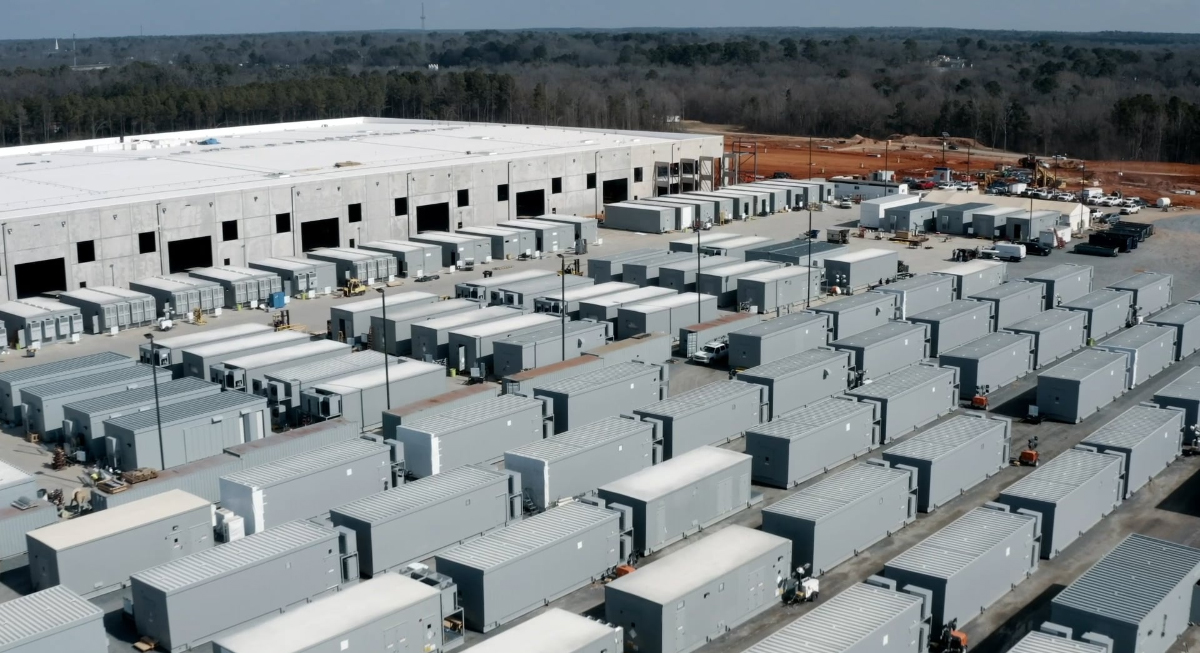
Minden, Louisiana, has around 12,000 residents. Fibrebond ranks among its largest employers. When hundreds of workers suddenly received major bonuses, local businesses felt the effects. Residents spent money on vehicles, travel, education, and home improvements. City leaders described a noticeable boost in economic activity.
A Grocery Store Thought Helped Shape The Decision

Credit: Getty Images
Waler's explanation stood out for its simplicity. He said he wanted to do something good. He also admitted he didn't like the idea of running into neighbors at the grocery store and feeling uncomfortable about keeping all the rewards for himself. The motivation wasn't tied to a corporate strategy presentation. It came from a sense of responsibility toward people he knew.