
Most people do not think of their car as the reason they are struggling to get ahead financially. The payment feels manageable, the insurance gets paid, and life goes on. Then years pass, and a large chunk of money has disappeared into vehicles that lose value every year.
That is why financial expert Dave Ramsey often points to cars when discussing wealth. He argues that many families spend too much of their income on expensive vehicles. With car payments, insurance, and repair costs continuing to rise, a few smarter choices can leave more money available for saving, investing, and building long-term financial security.
Keep The Second Car Off The Driveway

Credit: Canva
For families that can survive with just one vehicle, selling the extra car provides immediate financial relief. Finance expert Dave Ramsey warns that owning two nice cars with large payments can keep middle-class households from building wealth. You can even pay off your debt by dropping an extra vehicle.
Buy After The First Big Price Drop

Credit: Canva
Kelley Blue Book reported that the average new car cost around $50,300 in December 2025. That high price makes the immediate loss in value feel like an expensive fee. A reliable used car, especially a three-year-old model, can handle daily driving without the extra dealership markup. This way, a buyer skips the biggest drop in value and avoids paying more just for a brand-new vehicle.
Refuse The Seven-Year Loan
Credit: Getty Images
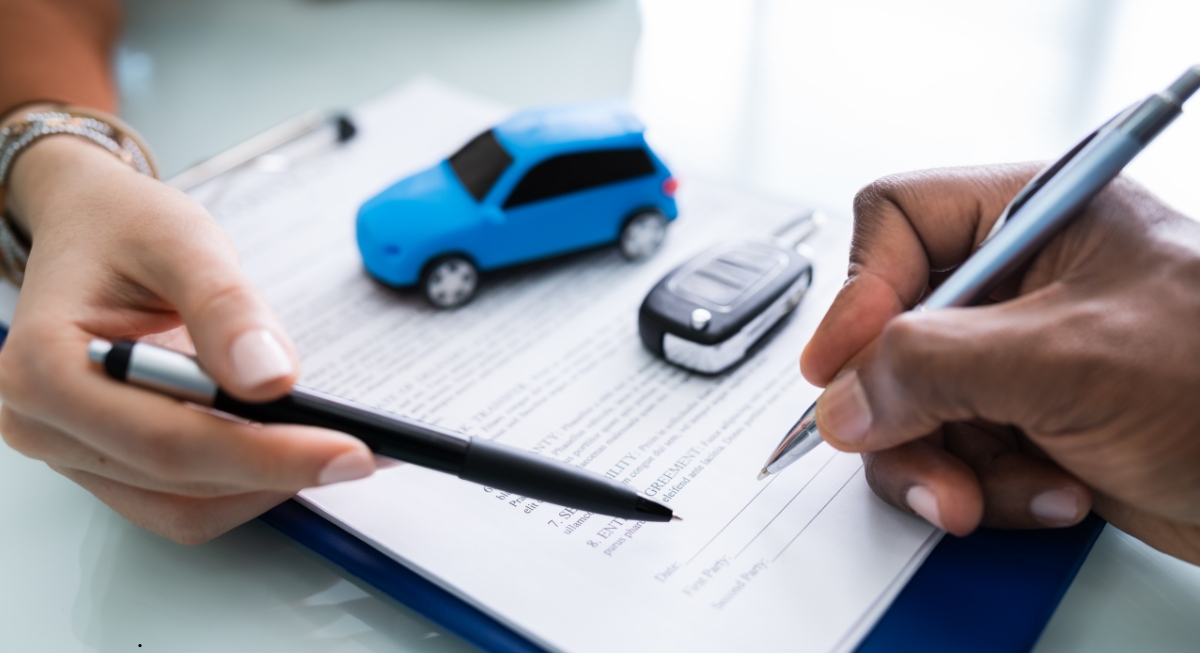
Spreading payments over seven years makes the monthly bill look small, but the total cost tells a different story. You will pay high interest long after the excitement fades. Expensive repairs might also arrive before you finish paying. Shorter loans are a better option. If those monthly payments look scary, the car is simply too expensive right now.
Escape The Trade-In Debt Loop

Credit: Canva
Trading in a car with negative equity means the old loan follows you to the new vehicle if the negative equity is rolled into the new loan. In late 2025, nearly 29% of trade-ins had this issue, with an average shortfall of $7,214. Moving that debt forward turns an old car into a new financial problem. Keeping your current vehicle longer provides more time to pay off the balance.
Use A Car-To-Income Rule

Credit: pexels
Ramsey's rule of thumb is very clear: the total value of all vehicles should stay below half of annual income. For example, a household making $80,000 should avoid owning $70,000 worth of cars. That limit may feel strict. However, while cars have a crucial place in your finances, they should never control the monthly budget.
Skip The Fancy Trim

Credit: Canva
The salesperson points out the premium wheels, bigger screen, and nicer seats. Suddenly, the practical car feels like a luxury vehicle. Many base or mid-level trims already provide the warranty, and safety features are now widely available. Don't rush to pay thousands extra for upgrades. If an upgrade will not matter in six months, let it remain on the wish list.
Check Insurance Before The Test Drive

Credit: Canva
Bankrate's 2026 sample driver estimate placed the average annual cost of full-coverage car insurance at $2,697. Real premiums vary by driver, state, vehicle, coverage, and credit history. Financing a vehicle usually requires full coverage. So, a car might fit your monthly loan payment but still ruin your budget once the expensive insurance bill arrives.
Reject Paperwork Creep

Credit: Canva
The finance office may try to sell expensive extras at the last minute. Add-ons like paint protection, extended warranties, and prepaid maintenance might sound necessary, but they could be cheaper elsewhere. Always ask for the final out-the-door price and read everything carefully. It is much smarter to say no and save money.
Drive Like Fuel Has A Price
Credit: Canva
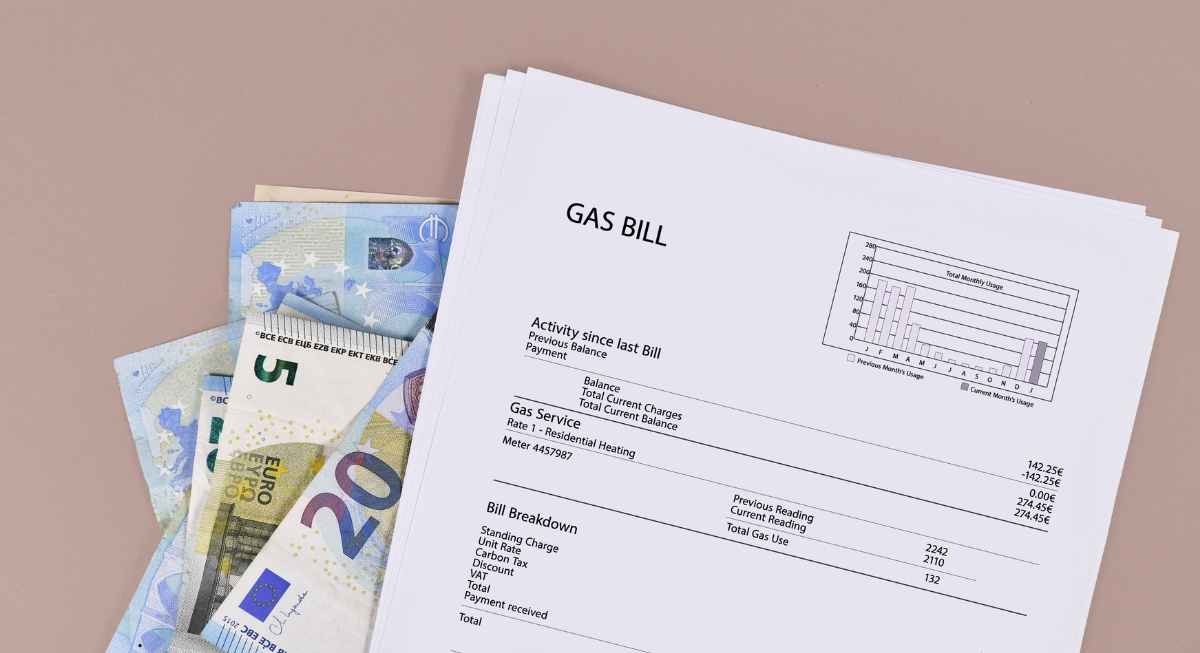
Aggressive driving acts like a hidden tax on fuel. The U.S. Department of Energy states that speeding and rapid braking can lower fuel economy by 15% to 30% on highways. In stop-and-go traffic, it wastes 10% to 40% of gas. Long idling and low tire pressure add extra costs. So, while better driving habits will not make you rich, they may help reduce expenses.
Invest in The Payment Gap
Credit: Getty Images
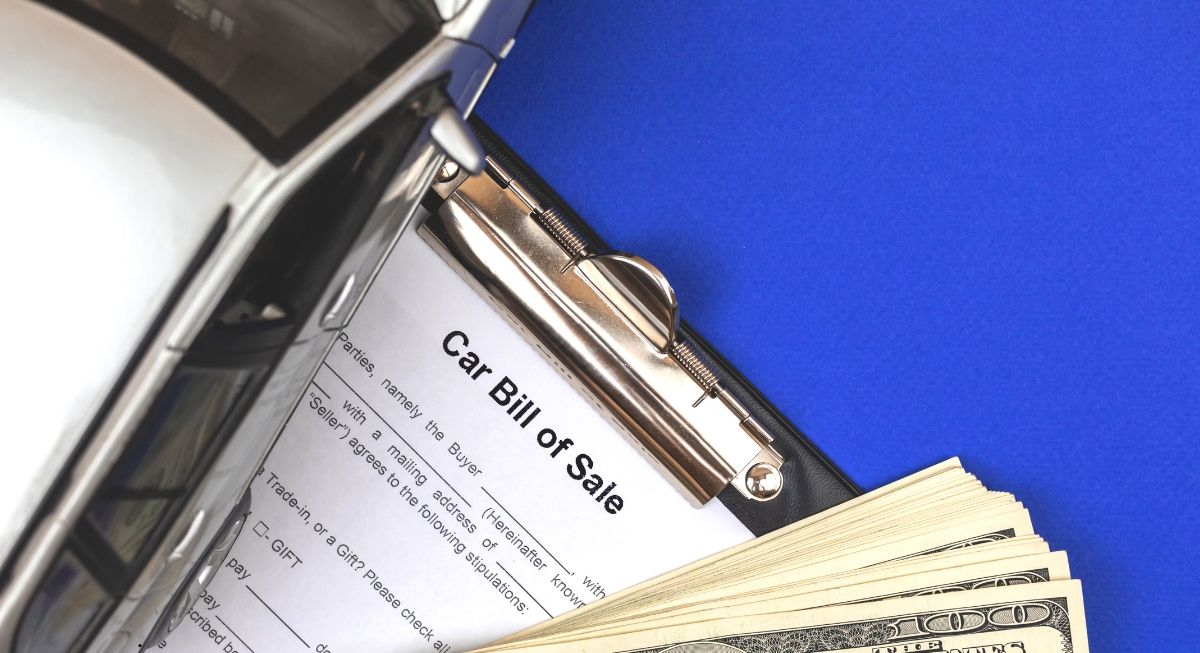
A smaller car bill only helps if you save the extra cash. AAA estimated the 2025 cost of owning and operating a new vehicle at $11,577 a year. The car savings can fund a retirement account or pay off credit card debt. Move the money into savings quickly. Otherwise, everyday habits will quietly consume that cash before the next payday.