
For plenty of retirees, the dream involves a place near the water, warm weather, and a slower pace of life. That picture may feel far removed from identity theft, but scammers do not care whether someone lives in a busy city or a quiet beach community. Stolen personal information can lead to fake tax returns, medical fraud, drained accounts, and other costly headaches. A relaxing retirement is still possible, but protecting it now requires more than locking the front door.
Retirement Account Trouble

Credit: Getty Images
FINRA warned in 2026 that customer account takeovers incidents at brokerage firms are rising. Brokerage firms may add extra checks before releasing money after suspicious activity. This delay causes trouble when a retiree needs cash immediately for bills or a vacation.
Social Security Login Problems
Credit: Getty Images
Monthly Social Security deposits work best when they arrive safely. However, scammers use stolen details to target accounts or send fake benefit messages. The Social Security Administration says personal 'my Social Security' accounts require identity verification and can be protected with extra blocks if fraud is suspected. Fraud victims must also report the crime and secure their login information.
Tax Refund Confusion
Credit: Getty Images
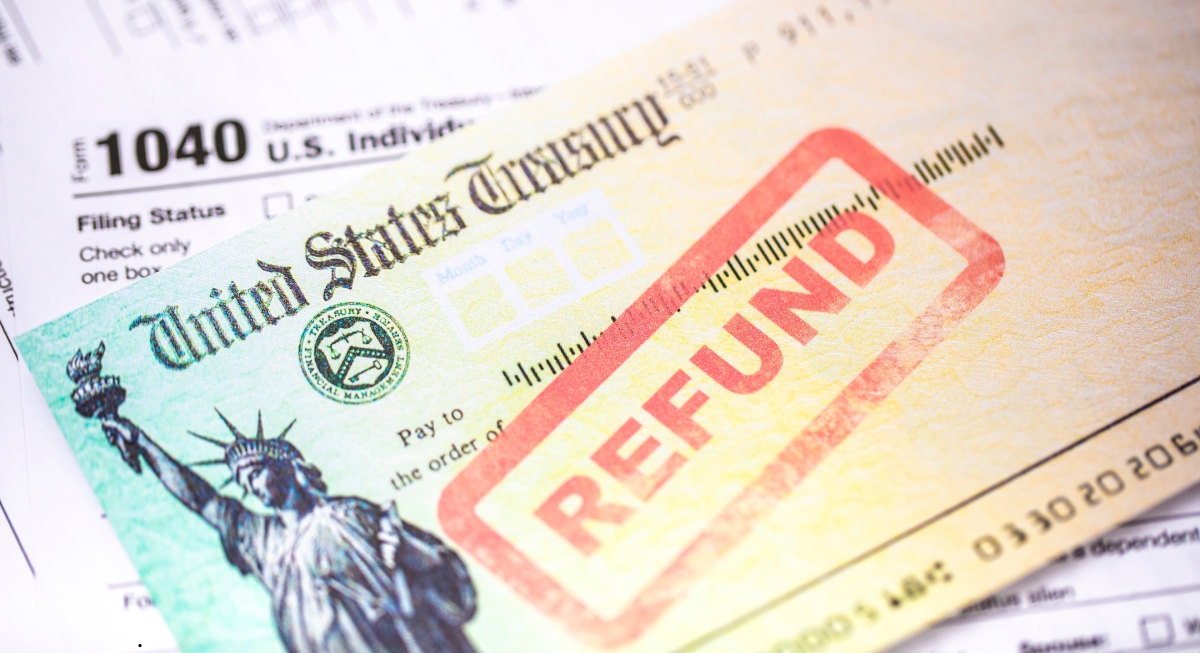
Identity theft victims may face a nasty surprise when the IRS receives a fake tax return before the real one. A stolen Social Security number can cause refund delays while the agency checks the paperwork. To fix this, the IRS offers an Identity Protection PIN. This six-digit code blocks anyone else from using your number to file.
New Credit Cards

Credit: Canva
Credit card identity theft starts silently. A criminal opens an account using a retiree's name, and they only find out through a bill. The FTC received over 449,000 credit card identity theft reports in 2024, making it the highest identity-theft category. Freezing your credit helps block new accounts. Since freezes cannot stop every scam, monthly statements still deserve regular checks.
Medicare Number Misuse
Credit: Getty Images
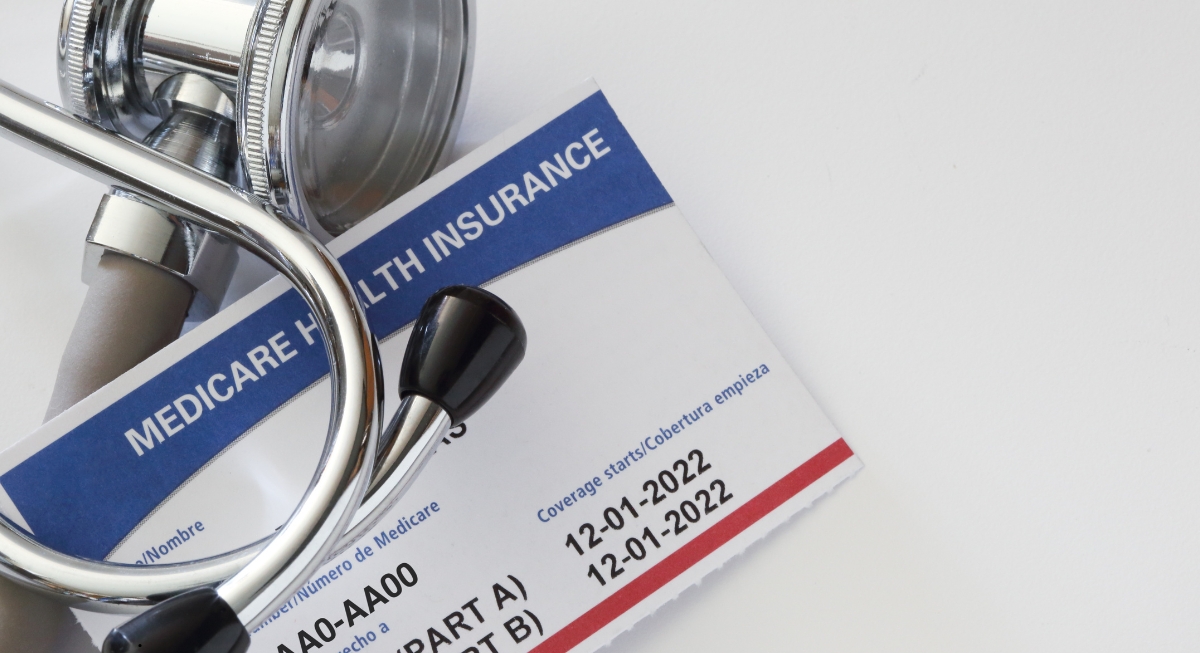
The FTC and HHS OIG warn that Medicare brace and medical equipment scams can lead to fraudulent billing, and unordered medical items or unexplained Medicare charges should be treated as red flags. A random medical brace in the mail might look like a simple shipping error. The bigger worry is that someone may have enough personal or Medicare information to trigger fraudulent billing.
Phone Number Hijacking
Credit: Getty Images
A phone number can unlock much more than voicemail. In a SIM-swap scam, criminals move your number to their own device. This allows them to steal security codes for bank accounts or email. The FBI reported that internet-crime losses exceeded $20 billion in 2025. Creating a secure carrier PIN is a smart way to prevent this.
Old Password Clues
Credit: Getty Images
Old jobs, past addresses, and repeated passwords can linger online for years. Data breaches often expose these details, helping criminals guess logins or create convincing scams. The fix requires simple discipline. A reliable password manager can help protect your information, especially on forgotten retirement accounts. No one wants their first apartment name to help a stranger reset an active account.
Home Title Scares
Credit: Canva
Owning a paid-off home near the water can create a unique kind of anxiety. The FTC explains that home-title fraud is a form of identity theft. However, they also warn that paid title-lock products do not actually lock a title. Free land-record checks or county alerts may be more useful. While real risks exist, scary sales pitches can turn calm homeowners into worried customers, whether they are home or away.
Fake Family Emergencies

Credit: Canva
The FTC warns that scammers can use AI to clone a loved one's voice, and the FCC has warned that AI-generated voices are being used in scam robocalls. A panicked caller might demand money or private information before the victim has time to think. A private family code word can help, but victims should also hang up and verify through a known number.
Recovery Chores
Credit: Canva
Recovering from fraud often takes much longer than the scam itself. Victims may need to freeze credit, replace cards, correct records, and send multiple dispute reports. FBI data showed older adults face especially steep losses: people over 60 reported more than $3.4 billion in losses in 2023, with losses exceeding $7.7 billion in 2025. This makes prevention essential before fraud turns your beach retirement dream into a financial nightmare.