
Nothing is as stressful as seeing your account balance at zero before payday. The rapid spending at the start eventually catches up, and suddenly you think twice before grabbing a cup of coffee. Millions of Americans live paycheck to paycheck, so this situation is far more common than people admit. The good news is that a rough week need not spiral into long-term debt. A few smart choices can steady things faster than panic ever will.
Freeze Every Nonessential Purchase

Credit: pexels
The fastest way to stop financial damage is to treat the next few days like a temporary lockdown. Delivery apps, late-night online shopping, convenience store snacks, and streaming add-ons can drain the little money left in an account. Banks collected billions in overdraft fees in recent years. That makes small purchases surprisingly expensive.
Check Autopay Before It Hits

Credit: DragonImages
Subscription renewals and monthly apps often keep charging without warning. A quick scan of scheduled payments can prevent overdraft penalties before they occur. Many people forget about free trials that have turned into paid services months ago. Canceling or pausing those charges buys time immediately.
Ask Companies for More Time
Credit: pexels
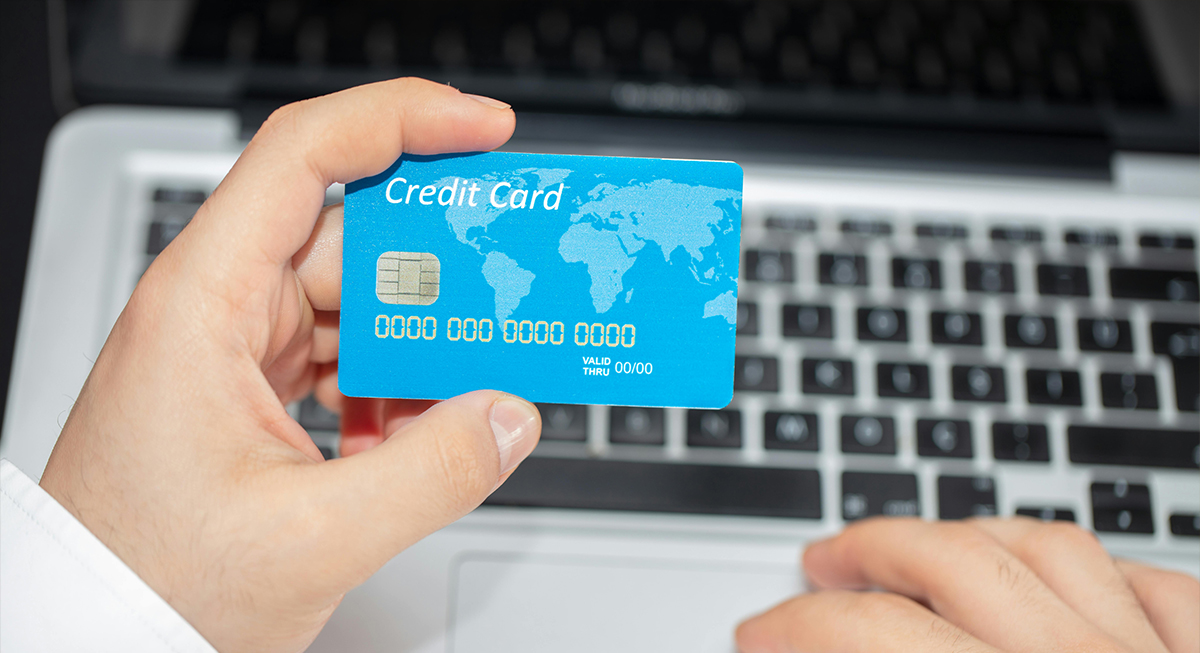
Utility companies and lenders hear payment delay requests every day. Reaching out before missing a payment usually works better than staying silent and hoping things improve. Many providers offer grace periods or smaller minimum payments during tight weeks. Some credit card companies also shift billing dates to better match pay schedules. Customer service representatives are often more willing to help when people explain the situation early.
Sell Something You Forgot You Owned

Credit: pexels
A surprising amount of emergency cash hides in closets and garages. Old gaming consoles, unused kitchen gadgets, sneakers, and furniture often sell quickly on Facebook Marketplace or local apps. Plenty of people clear out unused items during tight financial stretches. A 2024 resale market report showed that secondhand shopping continues to grow rapidly in the United States.
Pick Up a Short-Term Gig

Credit: pexels
Fast cash jobs look very different today than they did a decade ago. Dog walking, food delivery, tutoring, babysitting, and local moving help can produce same-week income with little setup. Apps made it easier to find temporary work, especially on weekends or evenings. The trick is choosing work that pays quickly rather than waiting weeks for invoices. A
Avoid Payday Loans if Possible
Credit: iStockphoto
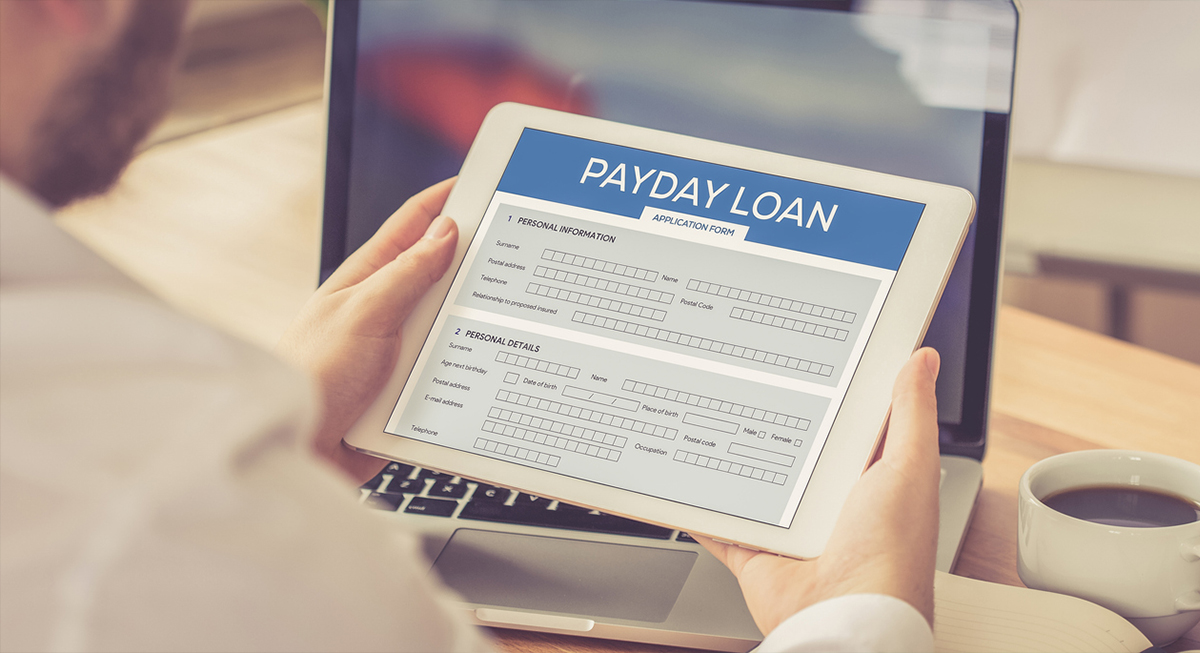
Payday loans often seem helpful during stressful moments because approval is quick. The problem arrives later when extremely high fees and interest rates kick in. The Consumer Financial Protection Bureau has warned repeatedly about borrowers getting trapped in expensive cycles of debt. Borrowing fifty dollars can end up costing far more than expected.
Build a Tiny Buffer After Payday

Credit: pexels
The smartest financial move usually happens after the crisis ends. Setting aside even $100 creates a small cushion against future surprises. Experts often call this a starter emergency fund. It may not sound life-changing, though having grocery money available during a rough week feels very different than staring at zero.
Use a Grocery List Like a Financial Tool

Credit: pexels
Walking into a grocery store without a plan becomes dangerous during a tight money week. Stores place items strategically because impulse buying works extremely well. Simple meals stretch money further than prepared foods or delivery apps. Rice, eggs, frozen vegetables, and peanut butter have carried plenty of households through awkward payday gaps.
Talk Openly With Trusted People

Credit: pexels
Friends and family may not magically fix the situation, though honest conversations can ease pressure. Someone might share meals, recommend work opportunities, or lend a small amount temporarily. A calm conversation with someone trustworthy often leads to practical help faster than trying to juggle everything alone.
Study Where the Money Actually Went
Credit: iStockphoto
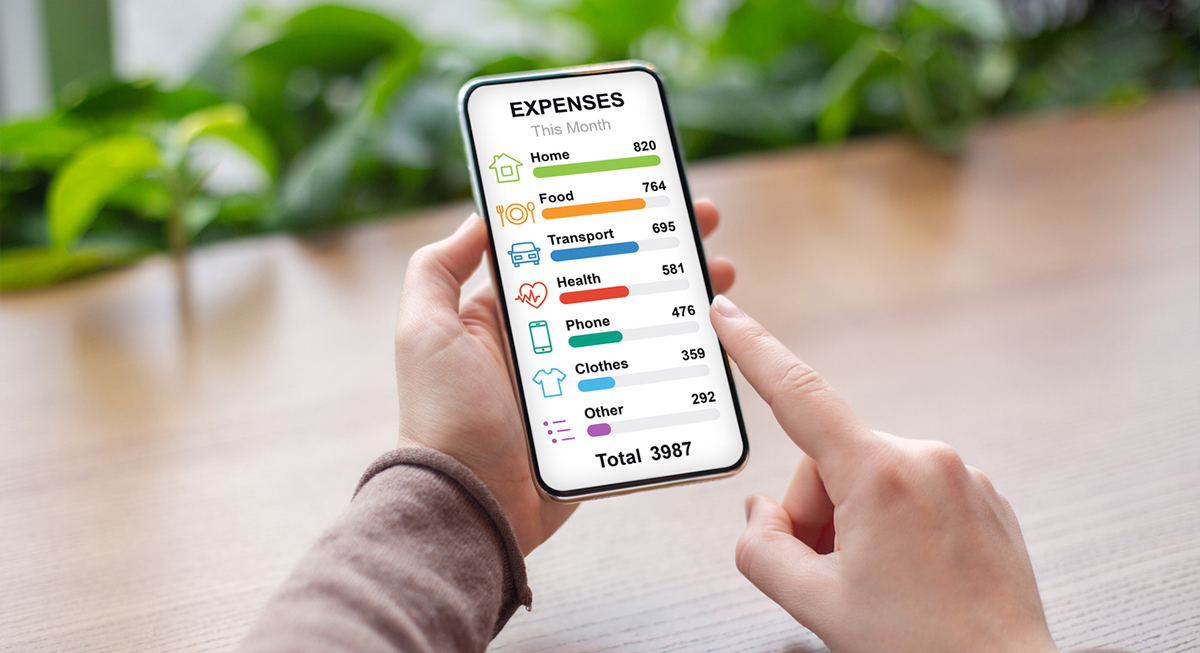
Looking through bank statements can quickly reveal where the money actually went before payday arrived. Many budgeting apps now sort purchases automatically, which makes spending habits easier to spot. The goal is not guilt or punishment over every expense. Catching small leaks early can help prevent the same stressful scramble from happening again next month.