
Real estate doesn’t follow the same steady patterns it once did. If you’ve been paying attention, the shifts are hard to miss. Work-from-home habits, evolving tech, and changing expectations around space have all started to reshape how people buy, sell, and invest.
The strategies gaining traction now reflect that shift. They balance caution with new ideas, focusing on staying flexible without losing sight of long-term value. It’s less about reacting to one trend and more about adjusting to a market that keeps moving.
Flexible Living Takes Center Stage

Credit: pixelshot
Homes now have to handle more than one purpose. Buyers look for layouts that support work, exercise, and daily routines without crowding the space. Developers are adjusting with features like movable walls and shared areas that extend how a property can be used. Homes that adapt easily tend to draw more interest, especially from younger buyers who need to manage multiple needs in one place.
Data Shapes Smarter Investment Decisions

Credit: Canva
Real estate professionals rely heavily on analytics to guide decisions that once leaned on instinct. Tools that track migration trends, job growth, and spending patterns provide a clearer picture of where demand is heading. Investors now evaluate markets using predictive models that highlight potential risks early. This approach reduces guesswork and supports long-term planning.
Strategic Partnerships Gain New Importance

Credit: Canva
Collaboration has become a practical necessity rather than a nice bonus. Developers team up with tech firms, local governments, and financial partners to manage rising costs and complex projects. These relationships help distribute risk and bring specialized expertise into deals that might otherwise stall. Joint ventures are increasingly appearing in large-scale developments.
Technology Drives Property Value

Credit: Getty Images
Digital tools influence nearly every stage of the real estate process. Virtual tours allow buyers to explore homes across cities without traveling. Artificial intelligence helps agents match listings with serious prospects. Blockchain is starting to streamline transactions by reducing paperwork delays. Properties equipped with smart security and energy management systems often stand out in crowded markets.
Sustainability Moves Into the Mainstream
Credit: Getty Images
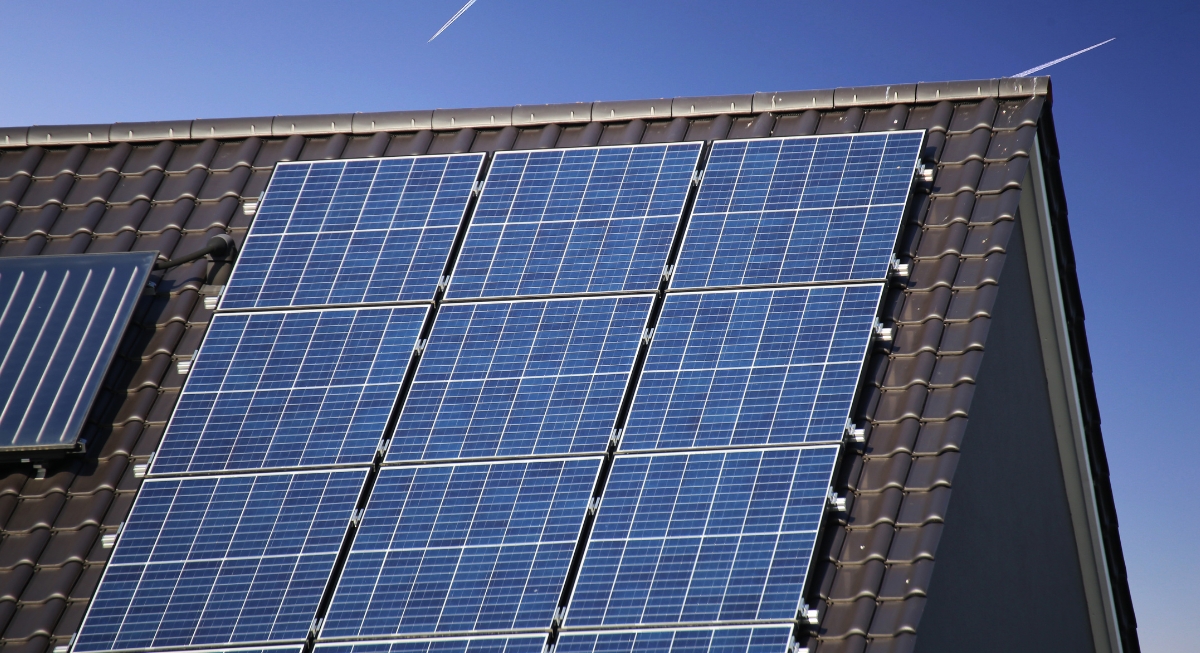
Energy efficiency has shifted from a niche feature to a standard expectation. Buyers pay closer attention to insulation quality, solar integration, and long-term utility costs. Developers respond by pursuing green certifications and incorporating eco-friendly materials during construction. Financial institutions also favor projects that meet environmental benchmarks.
Alternative Assets Expand Investment Portfolios

Credit: pexels
Traditional residential and office properties no longer dominate investment conversations. Logistics hubs and life sciences facilities are drawing serious attention. Growth in e-commerce and cloud computing has increased demand for specialized infrastructure. Investors exploring these sectors often find steadier returns tied to long-term contracts.
Hybrid Work Reshapes Commercial Spaces

Credit: Getty Images
Office buildings are evolving to match changing work habits. Companies now prioritize flexible layouts that support collaboration on in-person days while enabling seamless remote work. Shared workspaces and short-term leases have become more common as businesses avoid long commitments.
Affordable Housing Sparks Creative Solutions
Credit: Canva
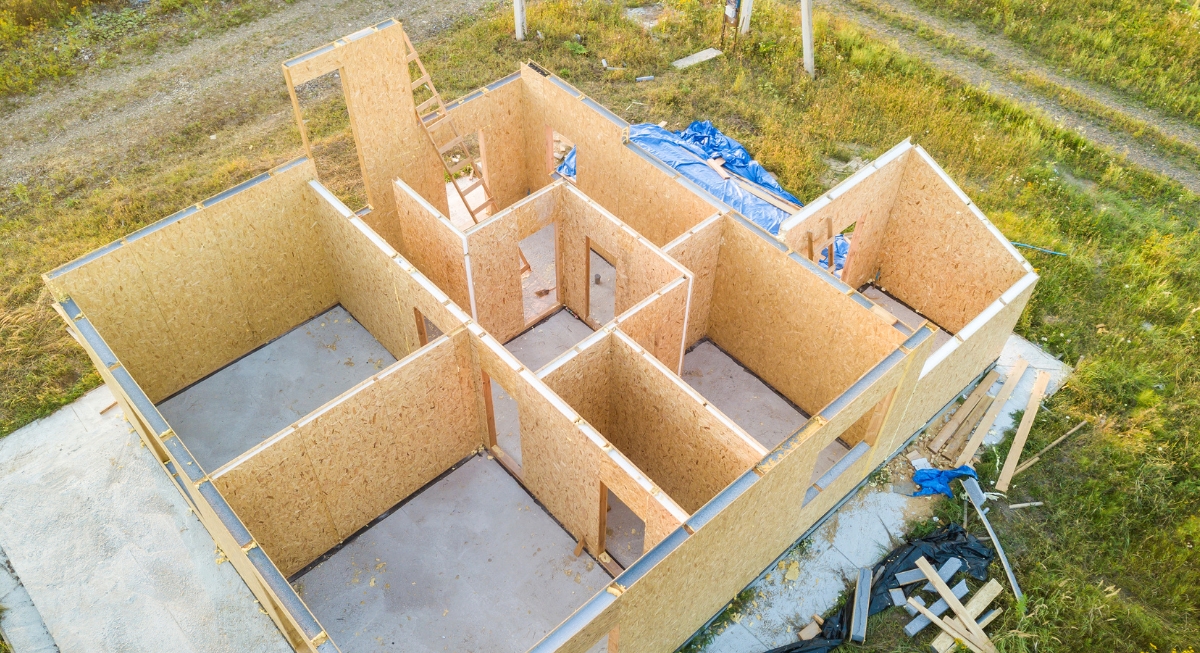
Housing shortages have pushed developers to rethink how projects are planned and financed. Modular construction, co-living arrangements, and mixed-use developments are gaining traction as ways to reduce costs. Public and private partnerships often step in to support these efforts. Addressing affordability has become a central focus across many regions.
Demographic Shifts Influence Market Demand

Credit: Canva
Millennials and Gen Z buyers are reshaping expectations around location and lifestyle. Access to public transit, walkable neighborhoods, and nearby amenities often ranks higher than square footage. At the same time, older populations are driving demand for accessible housing and communities that integrate healthcare.
Resilience Planning Becomes a Priority
Credit: pexels
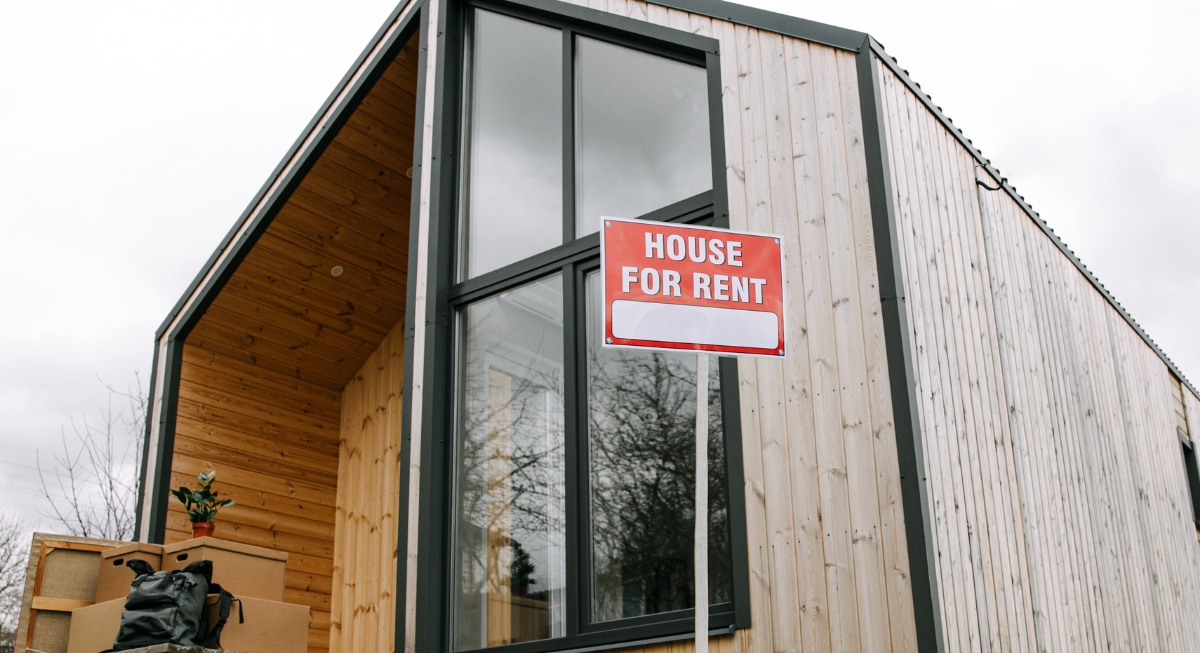
Uncertainty in global markets has encouraged a more cautious approach to real estate planning. Investors look for properties that can perform well under different economic conditions. This includes focusing on stable rental demand, diversified tenant mixes, and locations with strong infrastructure. Preparing for unexpected shifts has become standard practice.