
You have probably walked past a hotel gift shop and thought, “Maybe I should grab that now so I do not forget.” That seems like a practical decision since you are already there and the item is sitting right in front of you. However, travel advice reveals that ease inside hotels usually comes with a higher price tag and fewer choices. This is why a little awareness before you make a purchase can save your hard-earned money and prevent regret.
Basic Toiletries

Credit: Canva
Hotel shelves display small bottles of toothpaste, deodorant, and sunscreen at noticeably inflated prices. You might feel stranded without them, yet nearby pharmacies usually sell the same brands at standard retail prices. Many hotels also provide complimentary essentials upon request. Additionally, planning a small kit before departure prevents a late-night purchase and keeps your budget intact.
Over-The-Counter Medication

Credit: Canva
You should always pack the medication you rely on before leaving home, because if you forget something, the hotel gift shop is the easiest option. But that convenience has a premium price because a small pack of pain relievers in a hotel shop could easily cost more per pill than a full box at a local pharmacy.
Phone Chargers and Power Adapters
Credit: Canva
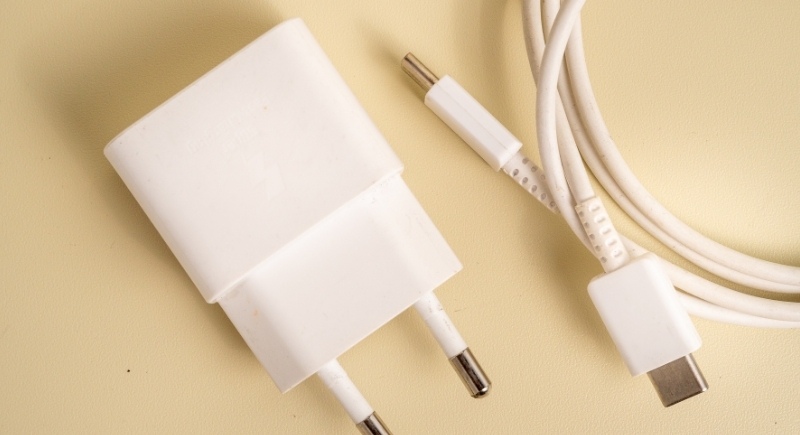
Gift shops often stock charging cables and plug adapters because guests often forget them. Travel experts regularly caution against buying electronics in unfamiliar retail environments, such as those in your hotel. Some locations lend chargers temporarily, which eliminates the need to purchase one at all.
Cheap Souvenir Trinkets
Credit: Getty Images
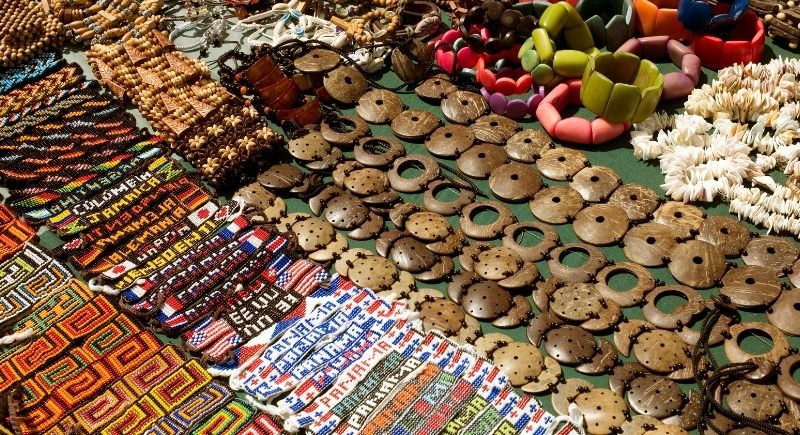
Choose one meaningful souvenir that truly reflects your trip, rather than grabbing a bunch of small items. This is because the keychains, magnets, and novelty mugs at the store where you’re staying may not have long-term value. Retail studies also show that mass-produced souvenirs account for a large share of impulse travel spending.
Logo Apparel

Credit: Getty Images
Tourists often receive branded sweatshirts and caps from hotels as a reminder of their stay. However, keep in mind that such pieces usually have a higher per-unit rate than similar basics available elsewhere. After returning home, many people do not even wear them, and the connection to the trip fades.
Fragile Decorative Items

Credit: Canva
Fragile décor such as glass ornaments or ceramic pieces often creates more trouble than it is worth. These items have to survive baggage handling, which is rarely gentle. You can add layers of protective wrapping, but that adds weight and takes up space in your suitcase. If something breaks on the way home, you lose both the item and the money you spent on it.
Expensive Jewelry

Credit: Canva
Buying fine jewelry or luxury accessories at a hotel boutique carries risks, as high-value purchases require research, price comparisons, and proper verification, which are rarely possible during a short stay. There is also the danger of authenticity concerns and inflated pricing in vacation settings, and return policies might not extend beyond checkout day.
Packaged Food Gift Sets

Credit: Getty Images
Running into trouble at customs is a real possibility when you buy food during a trip, especially if the labeling is unclear. Lobby stores tend to keep a variety of snack assortments and candy boxes, but the packaging may not always provide the detailed information customs officers are searching for.
Books and Magazines
Credit: Canva
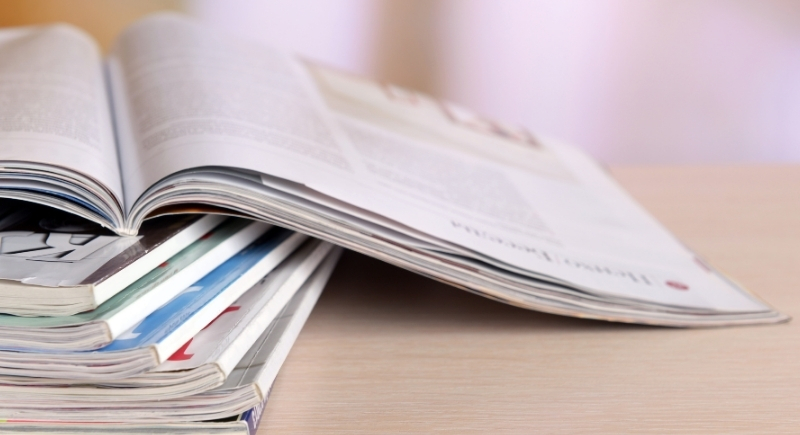
Retail pricing data consistently shows that convenience locations charge more for the same titles sold in major bookstores. Books also add noticeable weight to luggage. Unless the title is rare or location-specific, you can purchase it later at a lower rate. On the other hand, digital editions eliminate bulk entirely.
Pirated or Knockoff Merchandise
Credit: Getty Images
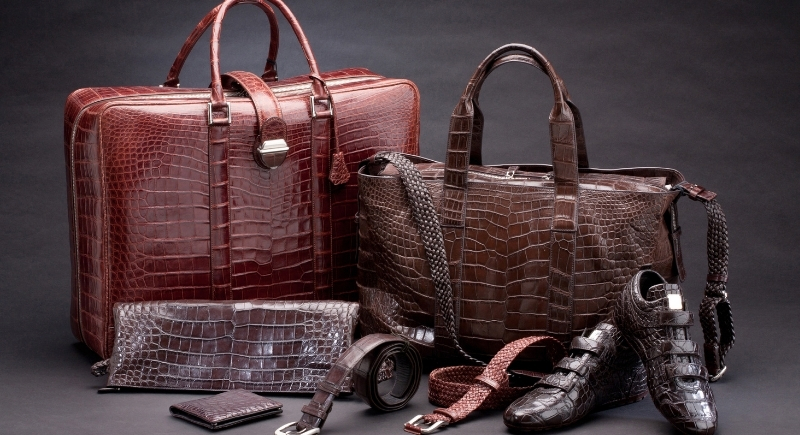
Buying counterfeit or knockoff merchandise during a trip may seem harmless, but professionals strongly advise against it. This is because pirated goods are mostly of low quality and could land you in trouble with local laws. Purchasing counterfeit goods supports illegal trade and may result in confiscation at customs.