
Fish offer lean protein and omega-3 fats, which is why U.S. dietary guidelines suggest eating seafood twice a week. But the price label at the seafood counter rarely tells the whole story. Some of the cheapest options come with trade-offs that only show up later, from quality issues to sourcing concerns. These fish may look like a bargain, but once you know what sits behind the low cost, they are often not worth buying at all.
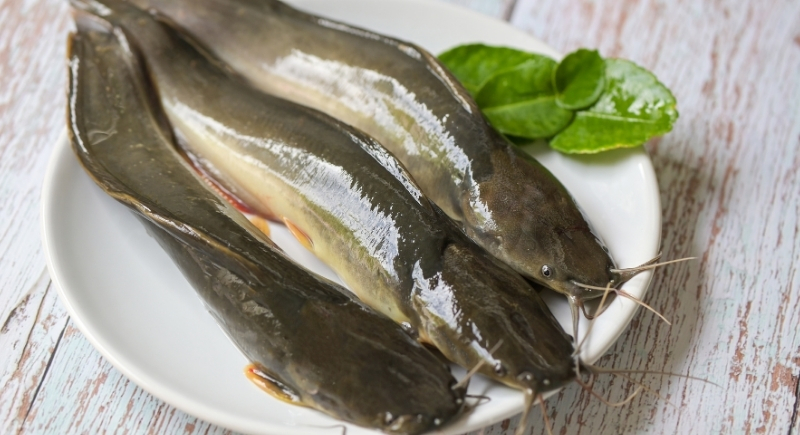
Asian Catfish
Credit: Canva
Often sold as swai, basa, or tra, this fish belongs to the pangasius family and is mainly imported from Vietnam or China. U.S. law does not allow it to be labeled as catfish because that name is reserved for domestic species. Farming practices in some exporting regions involve heavy chemical use, which raises concerns about environmental damage and possible long-term health risks.
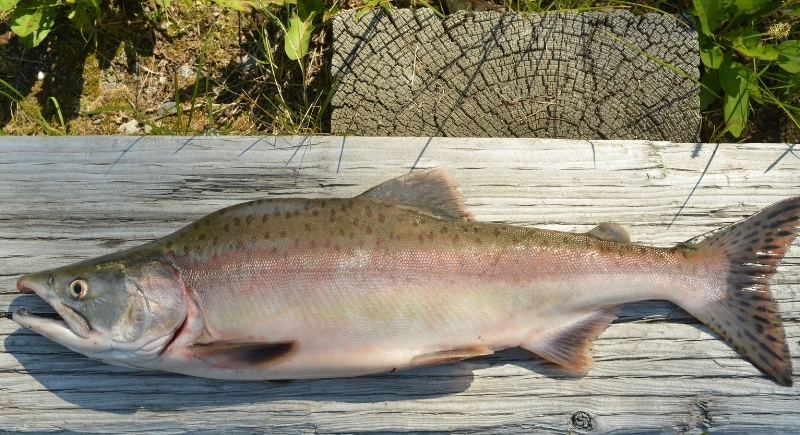
Pink Salmon
Credit: Getty Images
This Pacific salmon species is frequently found in frozen cases and canned products because it costs less than other salmon. Pink salmon has a lower fat content than sockeye or king salmon, and it tends to dry out during cooking. The mild flavor appeals to some shoppers, but its eating quality is consistently rated lower than that of pricier salmon options.
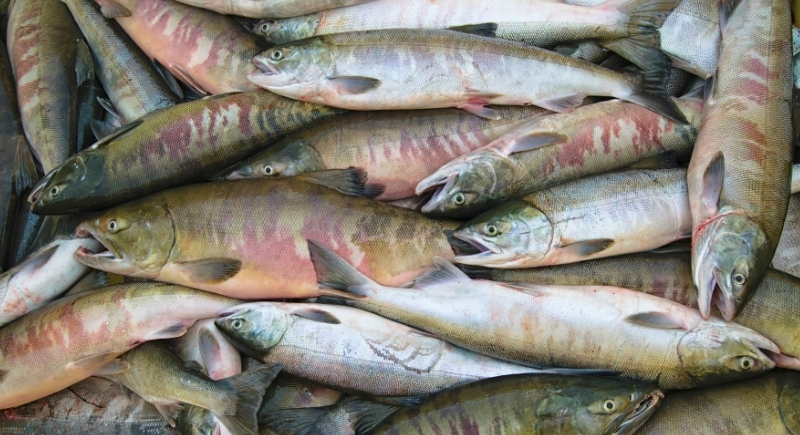
Keta Salmon
Credit: Getty Images
Also known as chum salmon, this fish earned its reputation decades ago as feed for sled dogs. Keta salmon is lean and lacks the richness most people expect from salmon. The low oil content makes overcooking common, especially for home cooks, resulting in a dry texture and muted flavor.
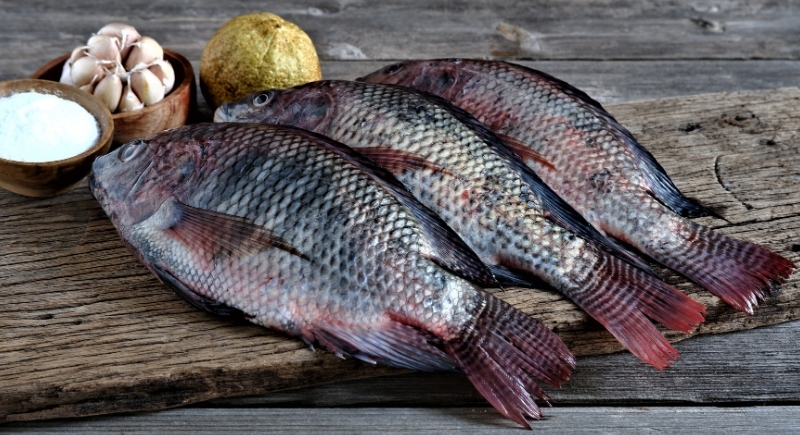
Non-Certified Tilapia
Credit: Getty Images
Tilapia is low in mercury but also low in omega-3 fatty acids compared to most fish. Farming quality varies widely by country. Tilapia raised in China has raised red flags tied to water pollution and farm management practices. Certified tilapia from countries with stronger oversight offers fewer risks.
Orange Roughy
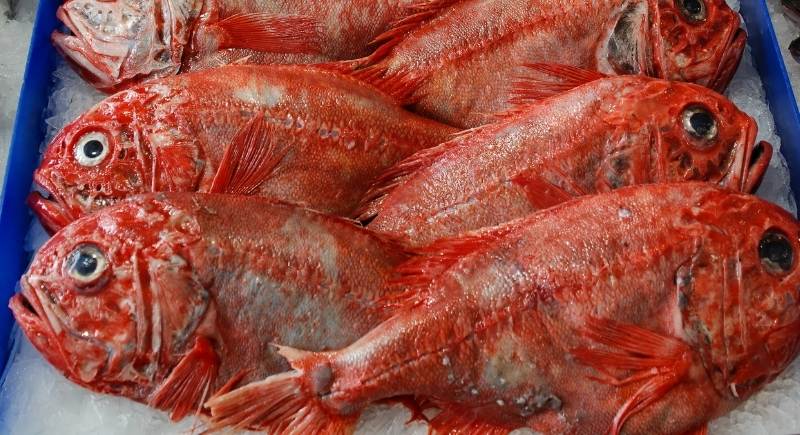
Credit: Getty Images
This deep-sea fish grows slowly and can live well over 100 years. Those traits make it especially vulnerable to overfishing. Orange roughy fisheries operate in sensitive ocean habitats where recovery is uncertain. The species also ranks among the highest in mercury levels based on FDA testing.
Canned Tuna
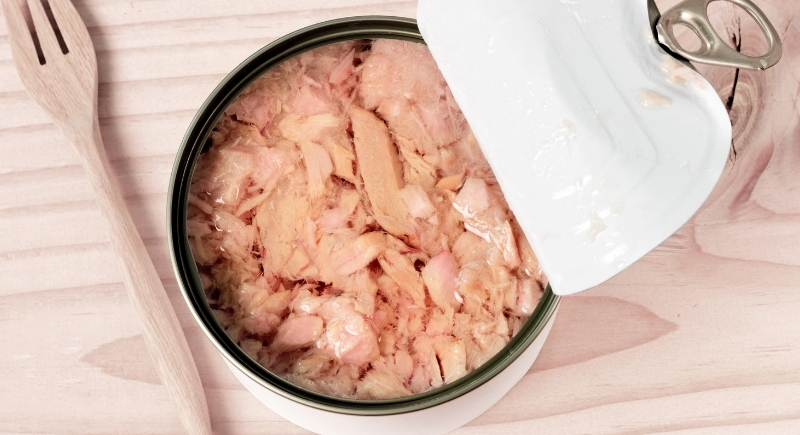
Credit: Getty Images
Tuna is a pantry staple because it is affordable and shelf-stable. As a predator species, tuna accumulates mercury over time, posing risks to pregnant people and children. Popularity has also increased pressure on wild stocks. Skipjack tuna contains less mercury than albacore or yellowfin tuna, so label reading is essential.
Atlantic Cod
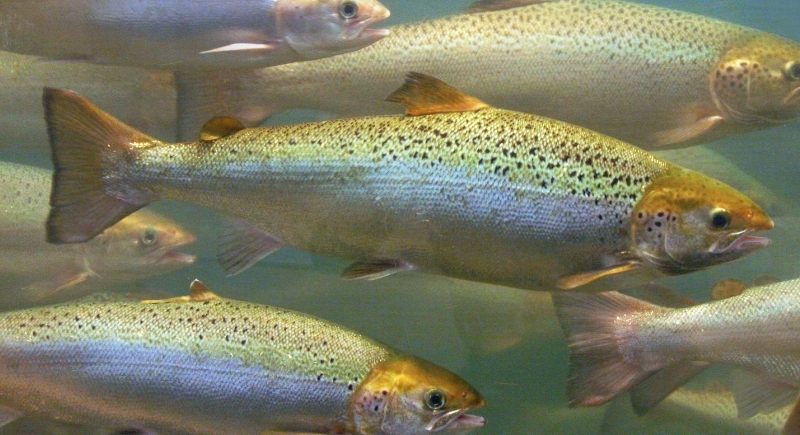
Credit: Canva
Once considered endless, Atlantic cod populations collapsed in the early 1990s after centuries of heavy fishing. Recovery has been limited even under strict management. Every harvested fish further reduces genetic diversity. Pacific cod and related species, such as haddock, offer similar flavor without the same conservation concerns.
Tilefish
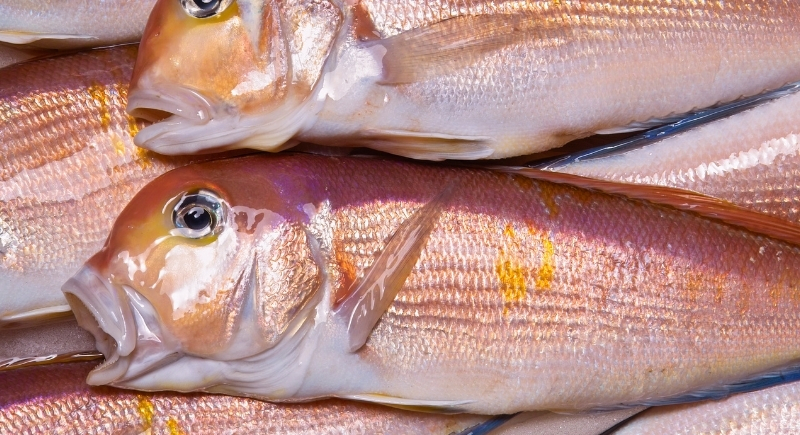
Credit: Getty Images
Large and slow-growing, tilefish live in deep waters where mercury accumulates in their tissues. FDA testing found that the ones coming from the Gulf of Mexico had the highest mercury levels of any fish species studied. Atlantic tilefish contain less mercury, but they are still considered a risky, frequent choice.
Winter Skate
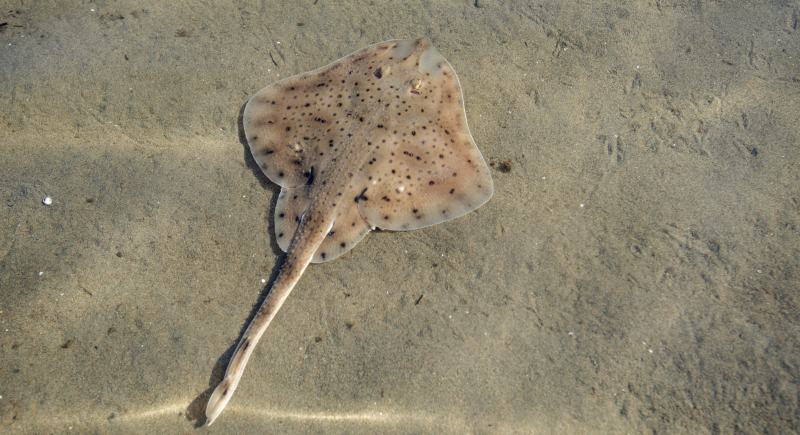
Credit: Wikimedia Commons
Skate wings have gained popularity due to their affordability and unique texture. Winter skate matures slowly, and population levels remain low in many regions. Several skate species lack enough data to confirm sustainability. Improper handling also leads to rapid spoilage, further heightening concerns about food quality.
Asian Carp
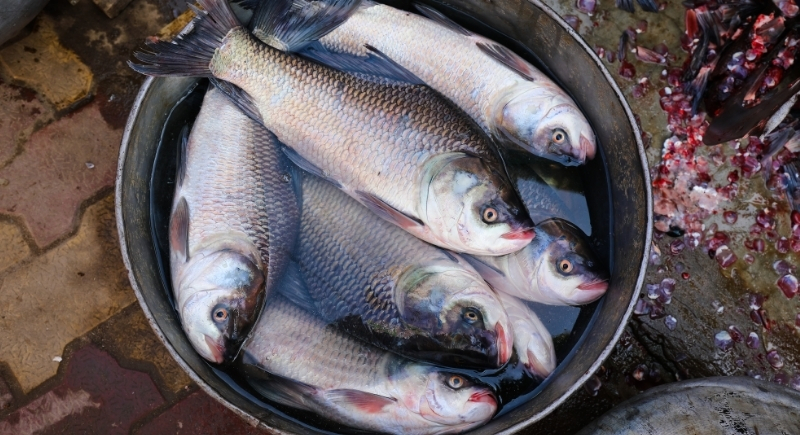
Credit: Getty Images
Asian carp entered U.S. waters in the 1970s as a weed control measure. Flooding and accidental releases spread them into rivers. They can consume up to 40% of their body weight daily, which allows them to outcompete native species. Efforts to market them as food remain controversial, and their dense bones increase choking risk.