
Co-signing a loan often feels like doing someone a favor, but it actually legally ties you to the debt, even if you never touch the money or the item it finances. When things go wrong, lenders come after you, not just the borrower. Your credit, savings, and ability to borrow all take a hit. These consequences are severe, and they happen frequently enough that financial professionals recommend avoiding this situation entirely, no matter how trustworthy the person asking may seem.
You Don't Own the Car, But You Owe the Debt

Credit: Getty Images
A common example involves co-signing for a car loan. The borrower gets the car and full control of it, but you carry the responsibility if payments stop. You don’t get a key, your name isn’t always on the registration, and the car could be damaged, uninsured, or even sold without your knowledge.
Parents Risk More Than Just Money

Credit: Getty Images
When parents enter into a joint loan agreement for a child, they’re often trying to be supportive. But the financial risk doesn’t end with the agreement. It can affect their retirement planning, home equity, or future ability to assist other children. Many adults don’t realize they’re gambling both their money and their peace of mind.
Your Credit Will Take the Fall

Credit: Getty Images
Even a single missed installment by the applicant can damage your credit. It doesn’t matter that you weren’t informed because it still shows up on your credit report. The impact can lower your score, affect future applications, and make interest rates more expensive. Since payment history weighs heavily in credit scoring, recovery can take years.
Locks Up Your Borrowing Room
Credit: Getty Images
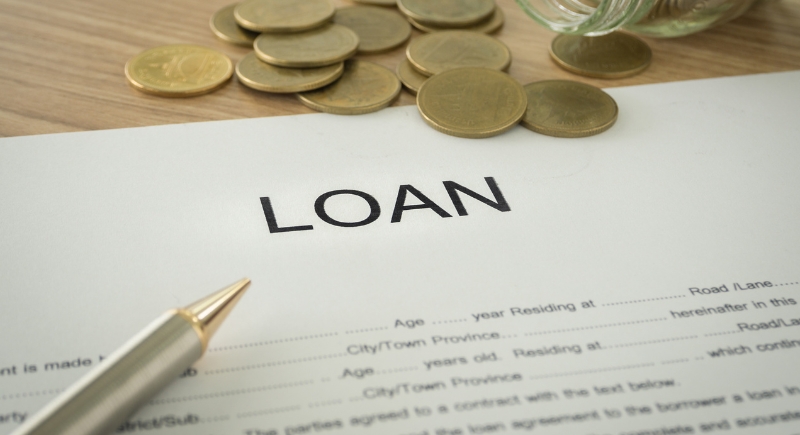
Once you co-sign, that debt becomes part of your financial profile. Given that you apply for credit later, lenders will calculate the loan into your debt load. In many cases, this can block you from getting approved, especially if the loan you added your name to is large or long-term.
There Are Better Ways to Help

Credit: Canva
Instead of guaranteeing someone else’s credit obligation, you could assist in ways that limit your exposure. If the issue is poor credit, help them understand their credit report. Offer to go through it with them, flag errors, and explain what’s dragging the score down.
You're Taking On 100% Of the Risk

Credit: Getty Images
Unlike what most people may believe, guaranteeing doesn’t split the risk. Instead, it hands you all of it. If the person who took on the financing defaults, the lender doesn’t chase both of you equally. They come straight to you for the full amount. That includes late fees, interest, and any remaining balance after repossession.
You Might Lose Thousands, Even If the Item Still Exists

Credit: Getty Images
In a jointly signed car debt gone wrong, repossession rarely makes you whole. Vehicles depreciate fast—20% value loss the moment they leave the lot is a typical estimate. If the borrower mistreats the car or drives uninsured, the resale value drops further. You could end up paying the full original debt on something that’s been wrecked, sold overseas, or is worth almost nothing.
Giving A Gift Sets Healthier Boundaries

Credit: Getty Images
If you have the funds and genuinely want to help, then giving money as a gift might be the better route. It avoids paperwork, stress, and the risk of being chased for repayment. You cap the loss to an amount you chose, and no one owes you anything. That shifts the dynamic because there’s no silent tension or lingering debt to cloud the relationship.
Hard To Monitor, Impossible to Control

Credit: Pressmaster
You have no built-in way to oversee a financing you backed. Lenders typically don’t send statements, payment reminders, or balance updates to borrowers. You’re not the applicant, but simply the one responsible if they stop paying. Without regular access to the account, you may not notice missed payments until collection calls begin or your credit score declines.
Even Small Obligations Can Haunt You for Years
Credit: Getty Images
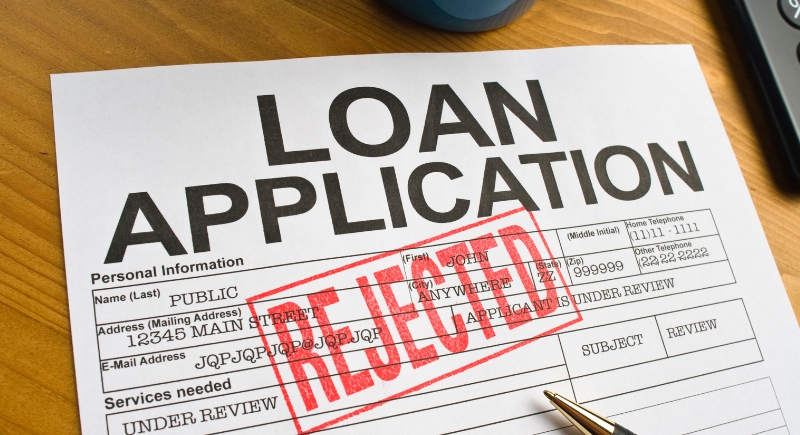
It’s easy to assume co-signing a small loan carries low risk, but problems don’t scale with the size of the debt. A delay in modest monthly installments can also interfere with your future borrowing if lenders see that your debt load is already maxed.