
Retiring early doesn’t rely on having a huge income or living an extreme, minimalist life. What often gets in the way is the steady drip of small purchases that add up without anyone noticing. It isn’t always the major expenses that slow down long-term plans. Daily habits and routine spending can quietly pull money away from future goals.
Revisiting a few of these habits can free up more income for savings, give investments more time to grow, and ease the pressure around money decisions. These are some of the purchases worth reconsidering.
Cars and Their Long-Term Costs

Credit: Canva
Buying a car means signing up for years of other bills, such as insurance, repairs, gas, registration, and more. Even if the monthly payment seems manageable, the full annual cost can range from $11,500 to $12,300 per year. Driving less, holding onto a paid-off car, or skipping ownership altogether can free up serious money for compounding growth.
Entertainment Subscriptions

Credit: Canva
It’s easy to forget just how many subscriptions are active until your card is declined or your statement balloons. Between Netflix, Hulu, Spotify, Disney+, and more, you could be burning through $700 and $2,000 (for heavy users) a year without noticing. Trimming back to one or two essentials can boost your savings rate.
Restaurant and Takeout Spending

Credit: Getty Images
Lunches and lattes add up faster than people think. The cost of eating out includes markups, tips, and delivery charges, in addition to the actual cost of the food. Preparing meals at home can cut monthly costs and build more intentional spending habits at the same time.
Frequent Tech Upgrades

Credit: Getty Images
Swapping out a phone or laptop every time a new model appears can quietly drain savings. Most devices stay dependable long after the hype fades, and many updates are more cosmetic than essential. If the device isn’t central to your work, stretching its lifespan keeps more of your money growing instead of losing value the moment you open the box.
Luxury Travel

Credit: Getty Images
High-end vacations feel memorable, but the cost often erases any long-term benefit. Flights, hotels, and add-on experiences disappear the moment the trip ends, while the expense lingers in your budget. Choosing simpler, budget-friendly trips for a while can still bring adventure and joy. It also frees up a meaningful amount of money to support your retirement plans without cutting out travel completely.
Credit Card Debt
Credit: Canva
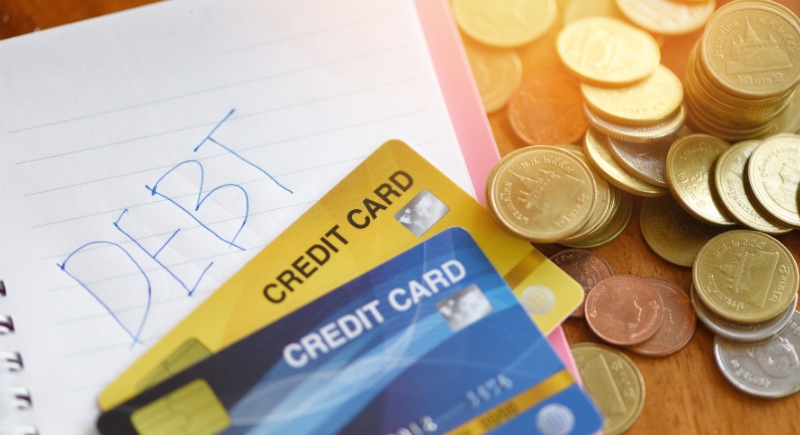
Ongoing credit card balances with 20%+ APRs can do more damage to your future than most one-time purchases. Interest piles up faster than savings can grow. Paying these off quickly and avoiding new revolving debt altogether is one of the most effective ways to stabilize your financial foundation.
New Clothing Without Purpose

Credit: Canva
Fast fashion and seasonal marketing encourage consumers to buy frequently, but most closets already exceed their functional needs. The average American spends over $1,300 on apparel each year, much of it driven by impulse purchases. Sticking to a smaller, functional wardrobe and buying only to replace worn-out items can substantially shrink recurring spending.
Books You Won’t Reread

Credit: Getty Images
A full bookshelf may feel productive, but readers rarely return to most titles. Libraries, used bookstores, and digital lending services offer near-identical access at no cost. If you can borrow a book or finish it once and move on, it’s worth questioning whether the purchase adds long-term value or just clutter.
High-Fee Investment Products

Credit: pexels
Some investments take a bigger bite than they give back. Actively managed funds and complex insurance-linked products often charge fees that eat into returns over time. Swapping them for low-fee index funds with clear, transparent pricing can keep more of your money growing, rather than being siphoned off.
Recurring Services You’ve Forgotten About

Credit: Getty Images
Old gym memberships and auto-renewing apps often go unnoticed. Even small charges accumulate quickly. Reviewing bank and credit card statements for inactive services lets you immediately reclaim cash flow, without cutting into your daily quality of life.
Decor and Home Goods You Don’t Need

Credit: Getty Images
It’s easy to justify small home purchases, such as pillows, candles, and containers, especially when they’re on sale. But these add up. Without a clear need or function, they often become clutter. Keeping impulse home decor shopping in check gives your budget more breathing room without sacrificing comfort or functionality.