
Trump's 100% import tax triggered sharp retaliation from major economies. These shifts strained trade routes and raised costs across sectors, and created a broader clash that now touches agriculture, retail, and international policy. Let’s look into how different countries responded to U.S tariffs.
Australia

Credit: flickr
Australia answered Trump's 10% tariff with a strategy. Prime Minister Anthony Albanese called the move "illogical" and "not the act of a friend," but chose not to escalate. Instead, he rolled out a five-point plan to protect industries and expand trade ties elsewhere. A $50 million package supported exporters like beef producers in pivoting to new markets.
Brazil
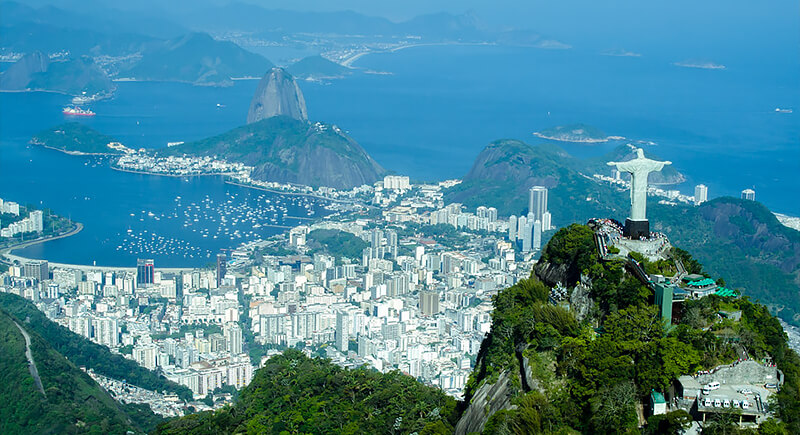
Credit: flickr
Washington's tariff hike landed hard in Brasília, but Brazil chose a controlled response over quick retaliation. Rather than matching the 10% blanket tariff and 25% steel penalty with equal force, lawmakers passed the "Reciprocity Law," allowing targeted countermeasures if talks stall. President Lula's administration kept pressure on U.S. officials through negotiations while quietly deepening trade discussions with China and the EU.
Canada

Credit: Reddit
In a bold counterpunch to Trump’s sweeping tariffs, Canada hit back with 25% tariffs on C$29.8 billion (approximately $20 billion USD) worth of U.S. goods. Prime Minister Mark Carney, fresh off a federal election win, called the tariffs an “American betrayal” and pledged to protect Canadian industries. Ottawa’s retaliation didn’t stop at tariffs; Canadians began boycotting U.S. goods, and cross-border tourism dipped sharply.
China
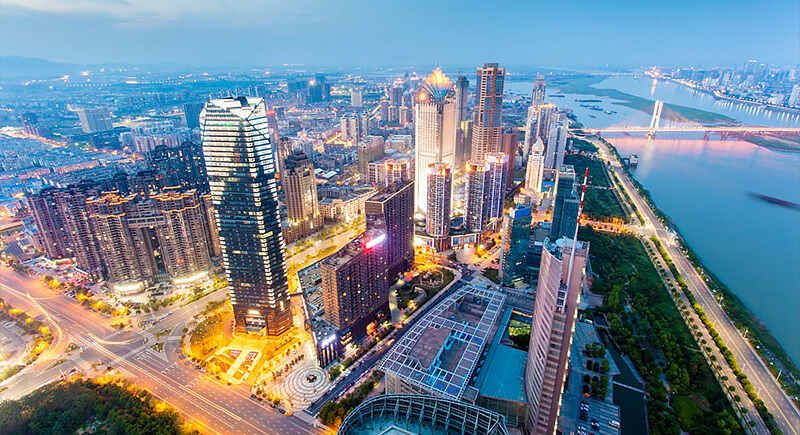
Credit: Reddit
China's response to the U.S.'s 145% tariff hike was swift and strategic. Beijing imposed a 125% tariff on American goods, targeting key exports like soybeans, pork, and industrial machinery. Simultaneously, it restricted rare earth exports, vital for electronics and defense industries, tightening the supply chain for U.S. manufacturers.
France

Credit: flickr
France responded to the U.S. tariffs with a multifaceted strategy. President Emmanuel Macron criticized the 20% tariffs on EU imports as "brutal and unfounded" and urged major European companies to pause investments in the U.S. Finance Minister Éric Lombard suggested stricter data regulations and digital service taxes as potential responses.
Germany

Credit: flickr
Former German Chancellor Olaf Scholz publicly denounced Trump’s sweeping tariffs as “fundamentally wrong,” describing them as an attack on the trade order the U.S. helped build. With 25% duties hitting German carmakers like Volkswagen, Mercedes, and BMW, Berlin made clear it wouldn’t stay silent. Economy Minister Robert Habeck warned of “tariff mania” and called for the EU to strike back, possibly through targeted taxes on dominant American tech companies. Friedrich Merz is the current Chancellor, and has taken a notably firm stance on renegotiating trade terms.
India
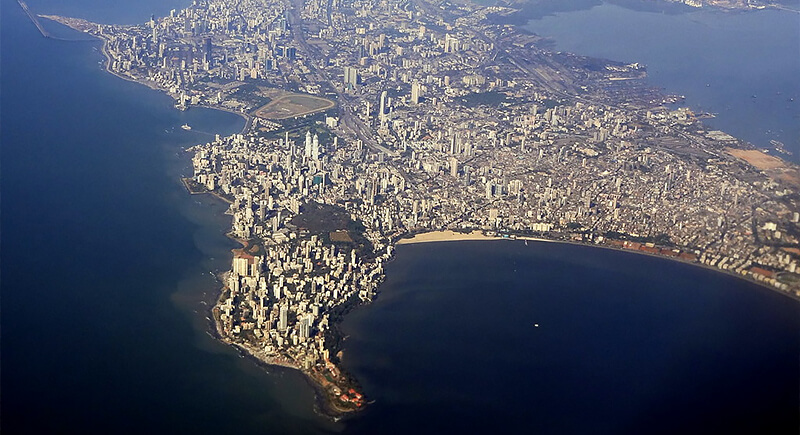
Credit: flickr
India navigated Trump’s tariff spike with strategic concessions. When the U.S. imposed a 26% tariff, later dialed down to 10%, New Delhi lowered duties on key American exports like bourbon and Harley-Davidsons and offered cuts on over half its U.S. imports, worth $23 billion. Prime Minister Narendra Modi avoided escalation and chose to protect trade growth with the U.S., which topped $129 billion in 2024. Vulnerable sectors like gems, auto parts, and seafood braced for losses, while India eyed export gains in textiles as China faced steeper penalties. Talks for a broader bilateral trade agreement are underway.
Malaysia

Credit: Reddit
Prime Minister Anwar Ibrahim called Trump’s 24% blanket tariff on Malaysian exports “baseless and harmful” and unveiled a US$356 million relief package for struggling SMEs. While semiconductors were spared, other electronics and consumer goods were hit hard, threatening GDP growth and supply chains. From Anwar's response, it's clear that Malaysia is focused on damage control and fast-tracking trade talks,
Mexico
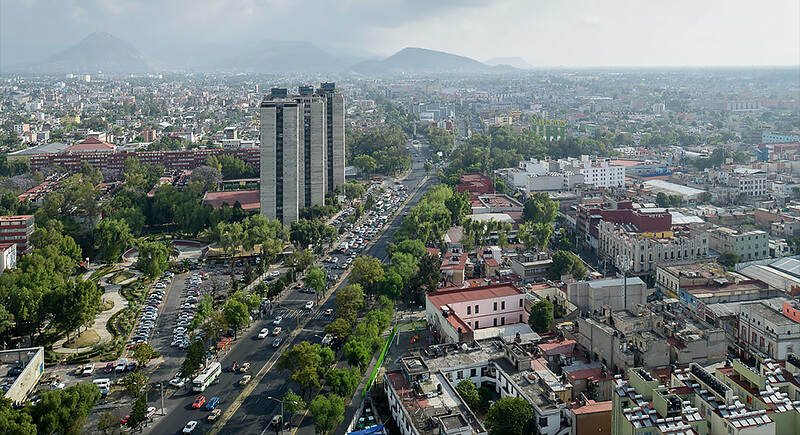
Credit: flickr
President Claudia Sheinbaum maintains a "cool head" approach as the USMCA review nears. While avoiding full-scale retaliation, Mexico prepared a tariff reform targeting over 1,400 product lines to shield domestic industry. By leveraging USMCA rules of origin, nearly 86% of Mexican imports have secured exemptions, though Sheinbaum has recently taken a firmer diplomatic stance against U.S. regional policy.
South Korea
Credit: flickr
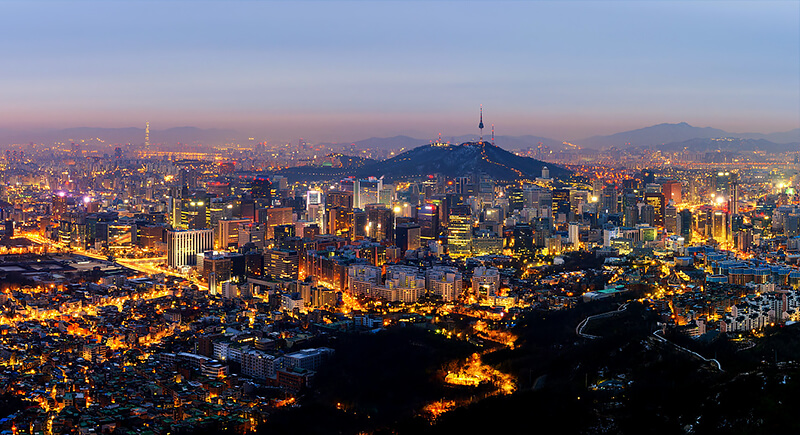
Rather than retaliate, Acting President Han Duck-soo emphasized diplomacy in the face of sweeping U.S. tariffs that included a 25% levy on steel and auto imports. He ruled out aligning with regional powers like China or Japan for joint pushback and stressed that confrontation wouldn’t yield productive outcomes. Instead, Han advocated calm negotiations and dispatched his trade minister to Washington, aiming to preserve South Korea’s export-heavy economy and long-standing alliance with the U.S.
Netherlands

Credit: Reddit
Rather than retaliate with new tariffs, the Netherlands responded by recalibrating its economic strategy. The Bureau for Economic Policy Analysis downgraded the 2025 growth forecast from 1.8% to 1.4%. Dutch policymakers emphasized internal fiscal support in an attempt to shield households and maintain economic momentum. The government didn't fire back with direct trade penalties; it used policy tools to buffer the shock and positioned itself for longer-term competitive gains within the EU. The approach was defensive, but calculated.
European Union
Credit: iStockphoto
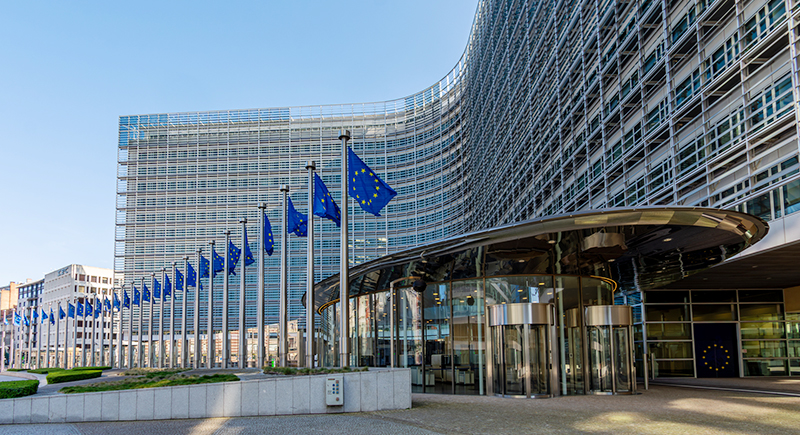
The European Union didn’t take long to respond, imposing tariffs on a range of American goods, from motorcycles to agricultural products. Leaders framed it as a measured but firm reply, aiming to protect local industries while pushing for negotiations. The back-and-forth added tension to an already fragile transatlantic trade relationship.
Vietnam
Credit: pixabay
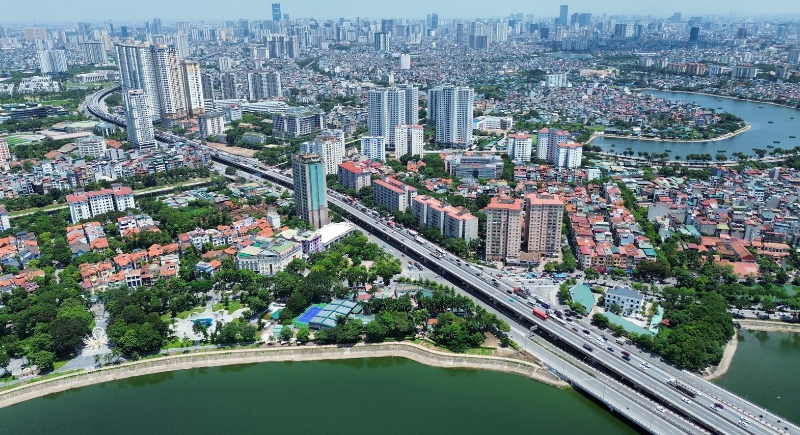
Vietnam found itself in a tricky spot as tariffs reshaped global supply chains. While not always retaliating directly, officials adjusted trade policies and strengthened ties with other partners to offset the impact. Manufacturers also shifted production strategies, turning uncertainty into an opportunity to attract new business from companies leaving China.